
Last updated November 21, 2026
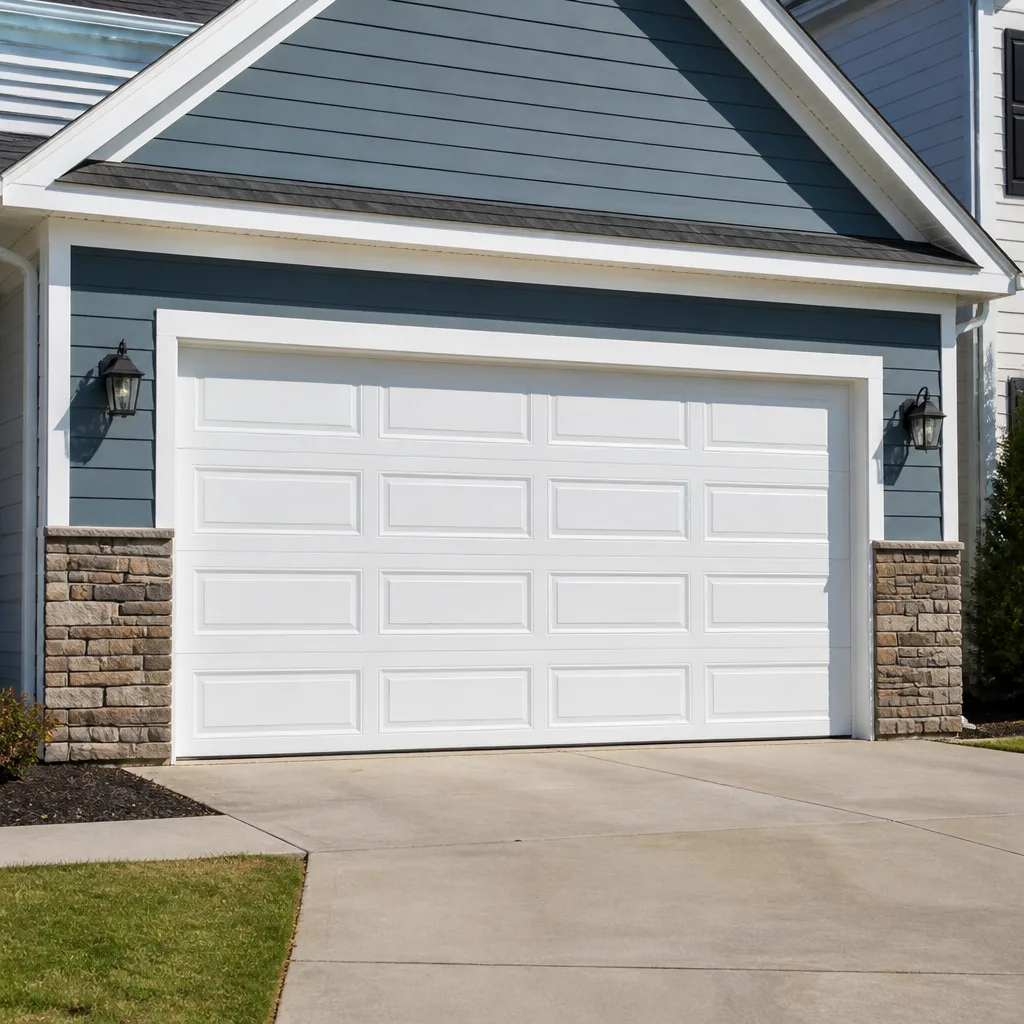 Raised-panel steel
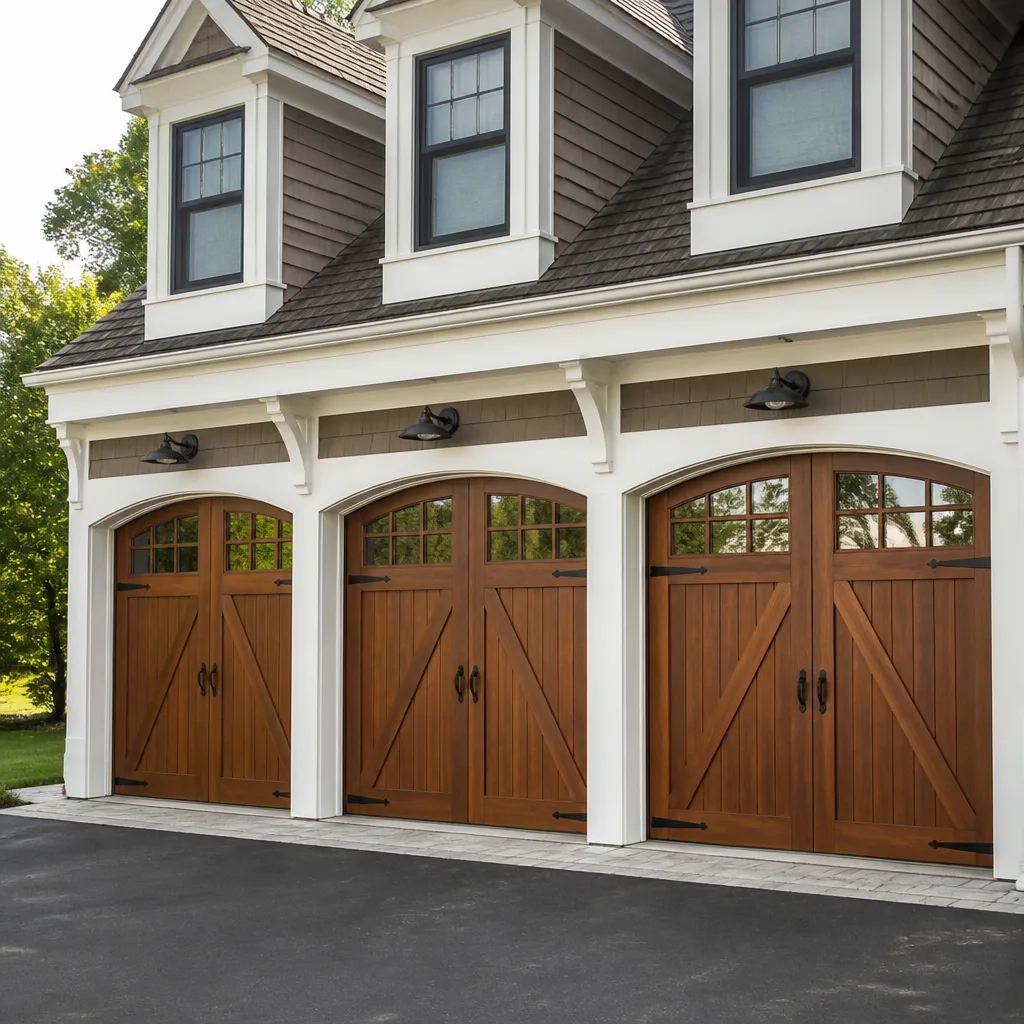 Carriage house
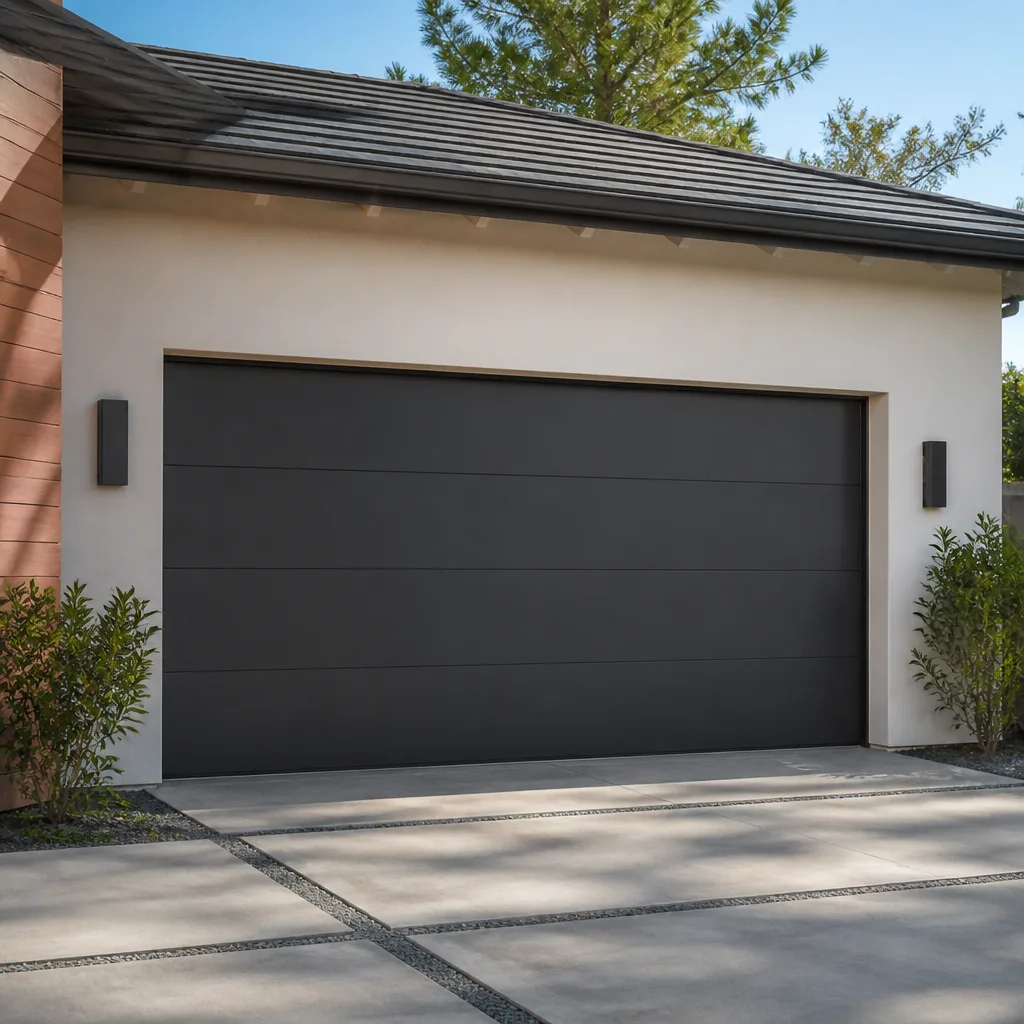 Modern flush
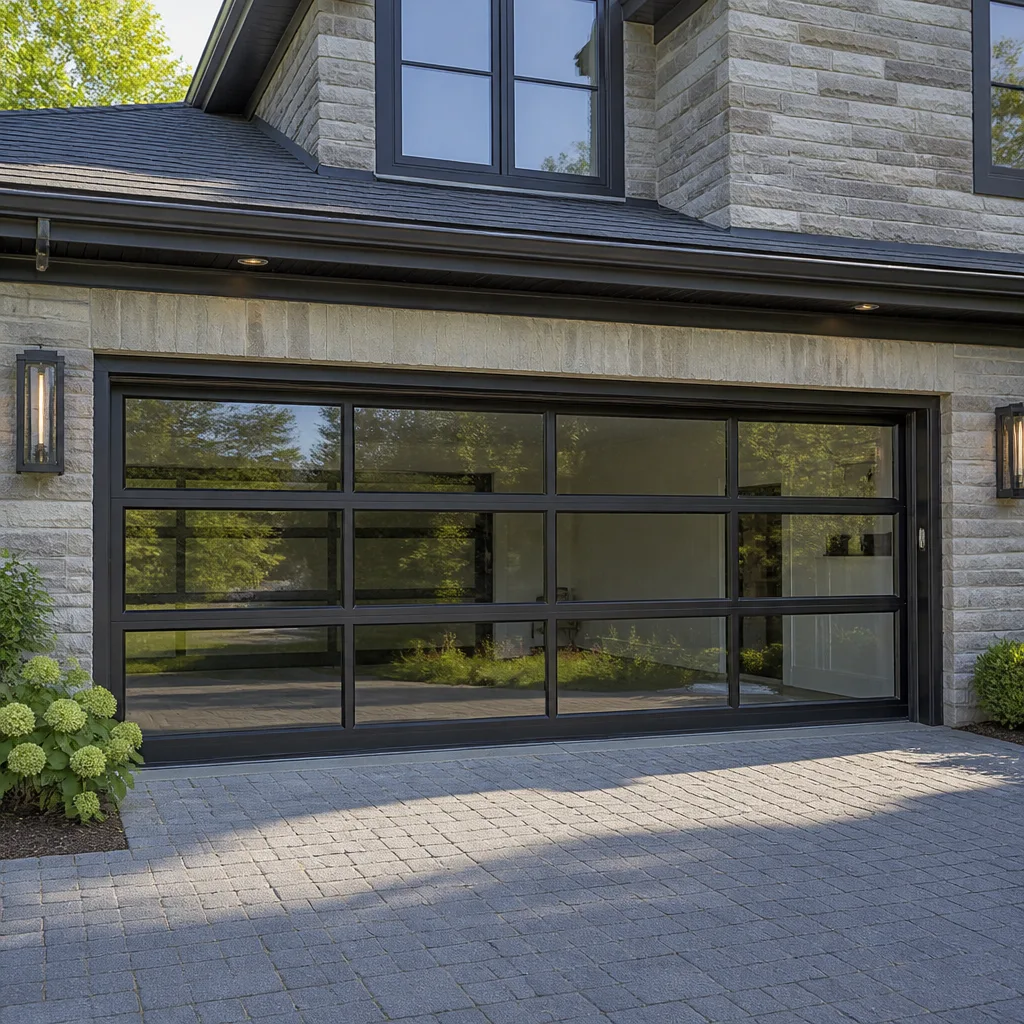 Full-view glass
 LiftMaster openers
 Chamberlain openers
Full 25-point door and opener safety check with every visit - springs, cables, rollers, tracks, and your LiftMaster or Chamberlain opener included
You get a price before we start. It does not change when the pro arrives.
Get your free estimateGarage Door Warning Signs: A Lakewood Homeowner’s Reference Guide
Most garage door guides wait until something breaks. The door won’t open, a spring snaps with a sound like a gunshot, and only then does anyone start searching for answers. The trouble is that the expensive failures rarely arrive without warning. They announce themselves weeks or months ahead in ways that are easy to dismiss: the door moving a little slower, a new tick at the halfway point, a rattle your spouse swears wasn’t there last summer. This guide covers the subtle signs, the ones Lakewood homeowners tend to live with until the repair turns into a replacement. You’ll learn what each sound, wobble, and change in rhythm is telling you before the bill grows.
Quick Answer
The main garage door warning signs are a door that opens slower than it used to, uneven or jerky movement, grinding or popping sounds, a door that reverses before closing, visible gaps or bends in the spring coils, and panels that shudder on the way down. Any one of these, on its own, is reason enough to have the door looked at. Several together usually mean a specific component is close to failing.
Styles & brands we work with
- Raised-panel steel
- Carriage house
- Modern flush
- Full-view glass
- LiftMaster openers
- Chamberlain openers
Table of Contents
- What It Means When Your Door Slows Down
- Uneven Movement and What It Says About Cable Tension
- Sound Diagnostics: Grinding, Popping, and Rattling
- The Visual Signs of a Torsion Spring About to Break
- Why Your Door Reverses Before It Closes
- Panel, Track, and Roller Wear to Watch For
- How Lakewood’s Seasons Work on Your Door
- A Simple Monthly Check for Lakewood Homeowners
What It Means When Your Door Slows Down
A door that opens three inches slower than it used to isn’t a quirk. It’s usually a spring that’s lost tension and is about to transfer that load to your opener motor. But here’s where it gets tricky, and where most guides stop short: a slow door has two completely different causes, and they need two completely different fixes.
The first cause is spring wear. Torsion springs do the heavy lifting on a garage door, not the opener. Over thousands of open-and-close cycles, the metal fatigues and the spring winds down. The door still lifts, but it drags. You’ll notice the slowdown most in the first foot of travel, right as the door leaves the ground. If the door also feels heavy when you lift it by hand with the opener disengaged, the spring is the culprit.
The second cause is a struggling opener. The motor is doing more of the work than it should, or the gearing inside has worn. With a failing opener, the slowdown often shows up toward the top of travel, or the door hesitates mid-travel and then finishes. You might also hear the motor laboring, or notice the light flicker when the opener kicks on.
Why does the distinction matter? Because adjusting the opener’s force settings to compensate for a tired spring makes the problem worse. You’re asking the motor to do a job it wasn’t designed to do. We’ve seen openers burn out months early because the real issue was a spring nobody diagnosed. If your door is slow and you’re in Lakewood, the first step is figuring out which component is actually failing. That’s a garage door opener repair question as often as it is a spring question, and the two diagnoses start in different places.
Uneven Movement and What It Says About Cable Tension
Watch the gap at the bottom of your door as it rises. If one side lifts while the other lags even slightly, that’s a cable tension problem, and it’s the sign homeowners ignore the longest because the door still works. It just looks a little crooked.
Cables run from the bottom corners of the door up to the spring system, and they carry enormous tension. When one cable stretches or slips, the door tilts. The tracks wear unevenly. The rollers on one side take more load than the other. Left alone, a stretched cable can jump its drum, and the door can come down crooked or jam entirely.
The most common mistake we see isn’t ignoring an uneven door. It’s fixing only one cable. If one cable is stretched, the other is the same age and has seen the same cycles. Replacing one and leaving the other is a false economy, and the door will be uneven again soon. Cables are replaced in pairs, the same way matched springs are.
Uneven movement can also come from:
- A track that’s been knocked out of alignment, often after a car bumper or a ladder bumps it
- A roller that’s worn flat on one side, so the door drags on that corner
- A bent hinge on a sectional door, usually at the second or third panel from the bottom
- A floor that’s settled, so the door meets the ground higher on one side
Some of these are minor. A cable problem is not. If your door moves crooked, treating it as a cable or track issue means looking at the pair, not one side. This is exactly the kind of balance and tension diagnosis our garage door repair work centers on, and it starts with watching the door travel from outside, not from inside the garage.
Sound Diagnostics: Grinding, Popping, and Rattling
Your door has a vocabulary. The sound it makes points at a specific component, and learning to tell them apart saves you from guessing. Here’s the breakdown.
Grinding
Grinding is metal on metal, and it usually means the rollers are shot or the track has debris in it. A worn steel roller grinding on a dry track sounds like a low, continuous scrape. If the grinding is sharp and comes from the center of the door, the torsion bar or the bearing plates are worn. Grinding rarely fixes itself. Ignore it and the track wears a groove that eventually needs replacing.
Popping
A single sharp pop, often at the start or end of travel, points at a torsion spring that’s slipping on its shaft or a cable jumping. Popping that repeats in rhythm as the door moves usually means a hinge is binding or a panel joint has loosened. A pop you feel through the floor is the one to take seriously: it usually signals a spring problem, and springs under load are dangerous to inspect closely, so leave that to a technician.
Rattling
Rattling is the most benign sound on this list, but it still tells you something. Loose bolts on the hinges and brackets, a roller that’s come out of its hinge cup, or a weather seal that’s coming loose all rattle. Tightening hardware and replacing worn rollers is straightforward, but if the rattle started suddenly and the door also shudders, check the panels for a bend before you assume it’s just loose bolts.
Squeaking and squealing belong in the same family. A squeal on the way up usually means dry rollers or a spring that needs a technician to inspect the coils. If the sound changes after the first warm week of spring, that’s a Lakewood pattern. The temperature swing gets metal moving differently.
The Visual Signs of a Torsion Spring About to Break
A torsion spring almost never breaks without warning. The coils announce it weeks ahead if you know where to look. This is the most valuable section in this guide, because catching a spring before it snaps turns an emergency into a scheduled repair.
With the door all the way down and the opener off, look at the spring mounted on the shaft above the door. Look for:
- A visible gap in the coil. A hairline gap between two coils means the metal is fatigued. That gap is where it will eventually separate.
- A spring that looks stretched longer than its neighbors. On a two-spring door, the springs should look identical. One that’s visibly longer has lost tension and is under less load than its partner, which means the partner is carrying the imbalance.
- Rust streaks or fresh oxidation. Rust at the coil points to moisture exposure, and it weakens the metal. It’s a sign the spring’s life is shortening.
- A slight bow or bend along the coil. A spring should be straight. A bend means it’s starting to deform.
Two of these together is a strong signal. Don’t try to test the spring by moving it or unwinding it. Torsion springs hold hundreds of pounds of force, and a sudden release can cause serious injury. This is one of the most dangerous repairs in the trade, and it’s why we handle it as a dedicated service. When the signs show up in Lakewood, our garage door spring repair work starts with reading the coils and deciding whether one spring or the matched pair needs replacing, because a pair that’s the same age usually fails within weeks of each other.
Why Your Door Reverses Before It Closes
A door that reverses before closing all the way is telling you one of two things. Either the safety sensor sees an obstruction, or the door is too heavy for the opener to push down. They look similar. They have very different fixes.
The sensor problem
The two photo-eye sensors sit near the floor on either side of the opening. If they’re misaligned, dirty, or blocked, the door reverses immediately after starting down. Check for a spider web, a leaf, or a shifted sensor bracket, the kind of thing a mower or a bike leans into. On Genie and Chamberlain systems, a blinking indicator light on the opener head usually confirms the sensor is the cause. Re-align the sensors so their lenses face each other squarely and clean the lens. If the problem goes away, it was the sensor.
The overweight-door problem
If the sensors are clean and aligned and the door still reverses, the opener is likely straining against a door it can no longer lift. That points back to spring tension. A door that’s too heavy for the opener reverses because the force limits are being exceeded, and on many Wayne Dalton and Craftsman systems the opener will stop itself as a safety feature. Adjusting the force setting to push through it is a mistake. It masks the real issue and wears the opener out faster.
How to tell them apart: disengage the opener and lift the door by hand. If it takes real effort and won’t stay open on its own, the door is too heavy, and the spring is the problem. If it lifts easily and stays put, the door is fine and the sensors or opener are the issue.
Panel, Track, and Roller Wear to Watch For
The visible parts of your door wear too, and the signs are subtle enough to live with for years.
- Panels that shudder on the way down. A panel that shudders, especially the bottom panel, usually means a roller is worn or a hinge is loose. If the shudder is on one side only, a track may have shifted.
- Dents and bends at the bottom panel. The bottom panel takes the most abuse. A bend stresses the hinges above it and makes the door travel unevenly. On a Clopay or Amarr door, a bent bottom section can often be replaced on its own rather than the whole door.
- Rollers with flat spots. Rollers are cheap and wear slowly. A flat spot shows up as a rhythmic thump every few inches of travel.
- Track gaps or bent track at the curve. The curved section at the top of the track takes the most force. A bent curve makes the door bind at the transition. Track wear is often a sign the door is traveling too fast or too slow, so fix the root cause, not just the track.
- Weather seal gaps. A worn bottom seal lets water and cold air in. In Lakewood that shows up as a wet garage floor after a storm, and a damp floor accelerates corrosion on the bottom hinges.
None of these require a full replacement on their own. Repair-first is the right approach for most of them, and that’s how we approach a door. Look, diagnose, fix what’s actually worn.
How Lakewood’s Seasons Work on Your Door
Lakewood’s weather gives garage doors a specific rhythm of wear. Summer humidity swells wooden doors and works on the metal of the tracks and hinges. Winter cold contracts the metal and stiffens the grease in the bearings and rollers. The transition between seasons is when the subtle signs show up, which is why a door that was quiet in August can start grinding in November.
Homes around the Lakewood industrial and residential mix, the older neighborhoods near the downtown core, and the newer developments on the town’s edges all see the same pattern: a summer of heat, a winter of freezing, and a spring that brings the first real temperature swing. That swing is when springs that have been tired for months finally give up. It’s also when a door that was a little stiff in January suddenly gets hard to lift.
What that means for you: the best time to look at your door is right before the seasons change, not after something breaks. If you check the coils and listen to the door travel in the spring and the fall, you’ll catch most problems before they become urgent. That’s the difference between a scheduled repair and a broken door with a car stuck inside.
A Simple Monthly Check for Lakewood Homeowners
You don’t need to be handy to catch the signs early. Here’s the routine. It takes a few minutes and covers the main failure points, and it’s safe because it never asks you to touch the spring.
- Watch the full cycle from outside. Stand back and watch the door up and down. Note the speed, the level, and any shudder. A change from last month is the sign.
- Listen. Grinding, popping, rattling, or squealing each point at a component. Note where in the travel the sound happens.
- Look at the coils with the door down. Gap, length, rust, bend. Look, don’t touch.
- Check the sensors. Clear the lenses, make sure they face each other, and test the door’s reversal with a light object in the path, not your hand.
- Test the manual release. Disengage the opener and lift the door by hand. It should lift with modest effort and stay open. If it’s heavy, the spring is the issue.
- Look at the bottom seal and the panels. Water on the floor after rain, a bent bottom panel, or a seal that’s torn is a clue.
If any step turns up a sign you’re not sure about, that’s when a call makes sense. We work on the major systems in most Lakewood homes, from LiftMaster and Chamberlain openers to Clopay, Amarr, Wayne Dalton, and the rest. If it’s a Genie or a Craftsman, we know those too. Eldridge Garage Door Repair is a single-trade shop, so every technician works on garage doors and openers all day, not a mix of trades. And because we handle both repair and full new installation, “one call covers it all” isn’t a slogan here. It’s how the work is laid out. If a door is past fixing, you don’t need to find a second contractor for the new one.
Common Mistakes to Avoid
- Turning up the opener’s force setting to fix a slow door. This hides a failing spring and burns out the motor. Diagnose the cause first, then adjust only if the opener itself is at fault.
- Replacing one cable when the other is the same age. Cables are matched. New on one side and old on the other brings the unevenness right back.
- Treating an uneven door as cosmetic. A crooked door is under unbalanced tension. It wears the tracks and rollers on the loaded side.
- Oiling a torsion spring. A spring that’s about to fail isn’t fixed by oil. The coil needs inspection, and that’s a job for a trained technician.
- Ignoring a reversing door after a sensor check. If the sensors are clean and aligned and the door still reverses, the door is probably too heavy. That’s a spring issue, not a sensor one.
- Live with a grinding sound for months. Grinding means metal wear. It doesn’t stop, and the wear spreads to the track.
- Skip the seasonal check. The seasons in Lakewood do the most damage at the changeovers. A look in the spring and the fall catches most of it.
See the difference
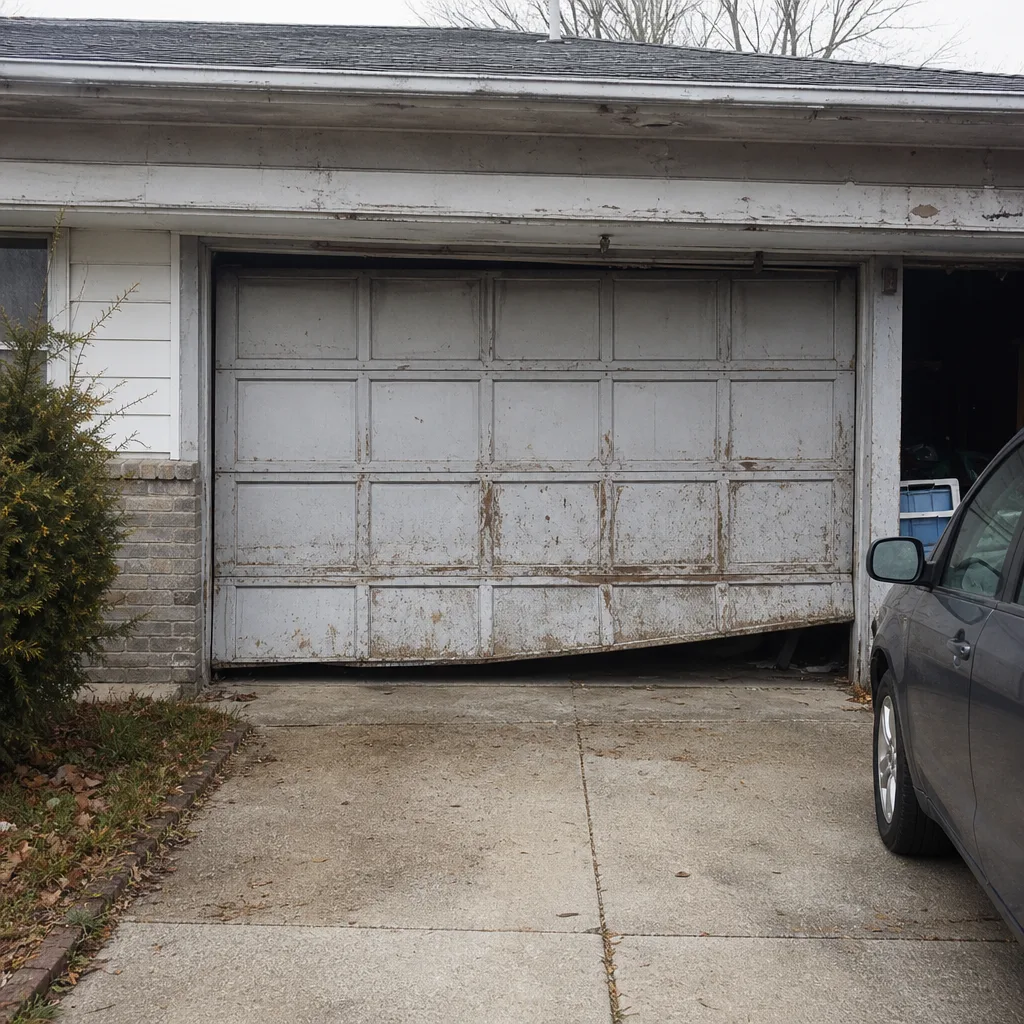 Before
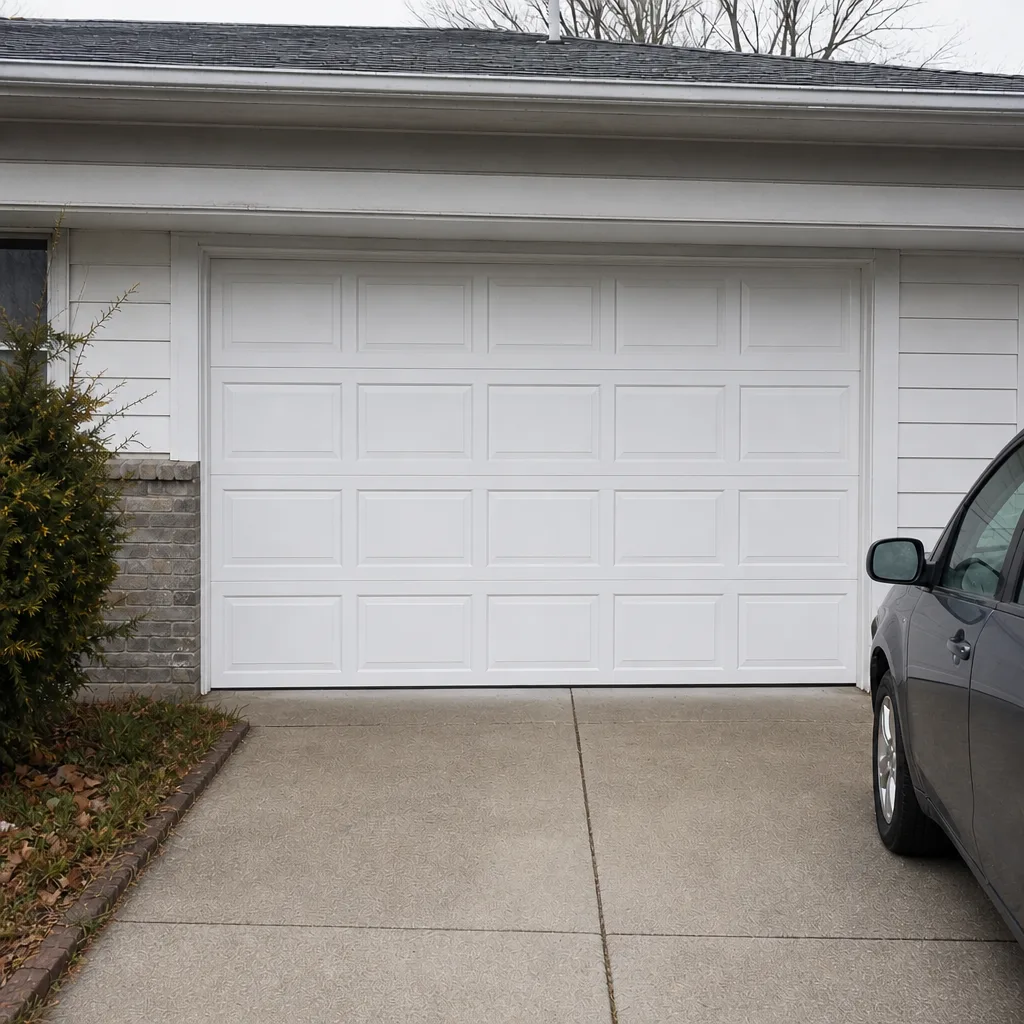 After
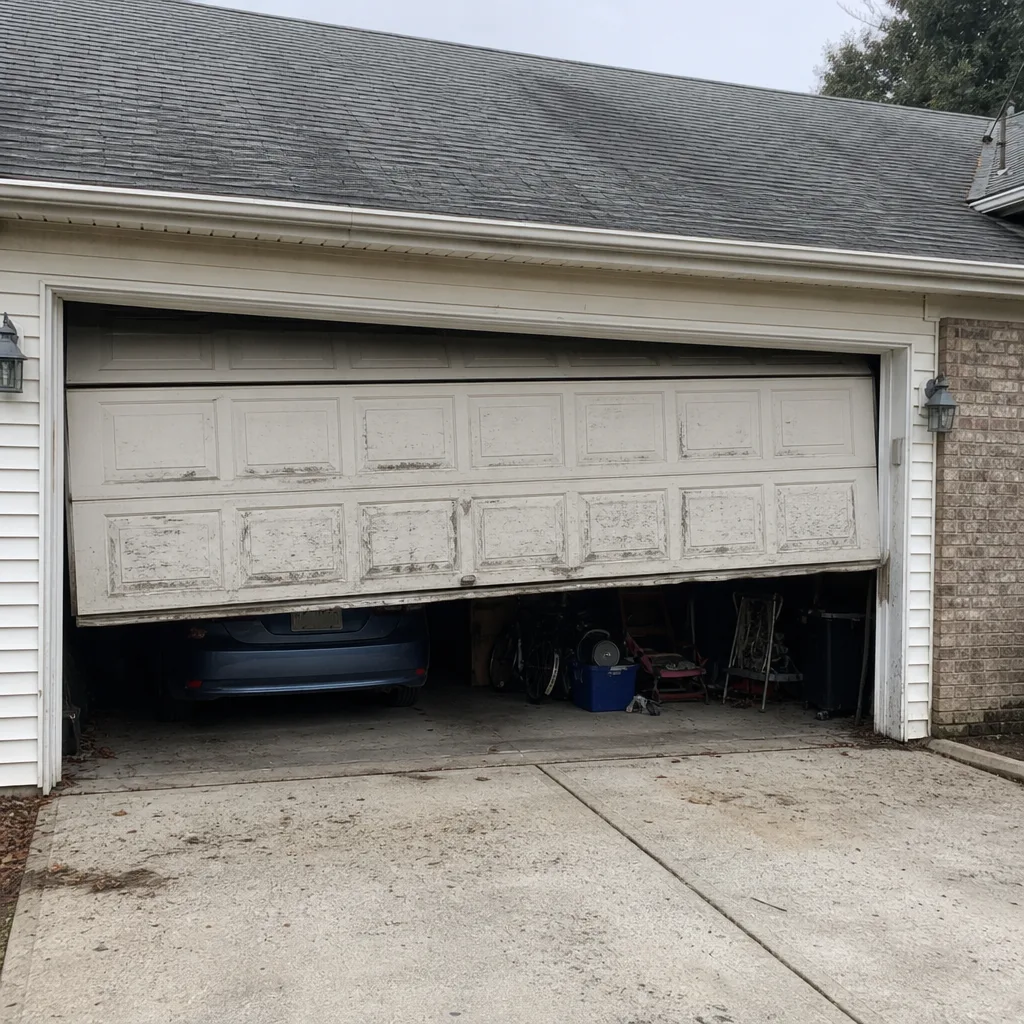 Before
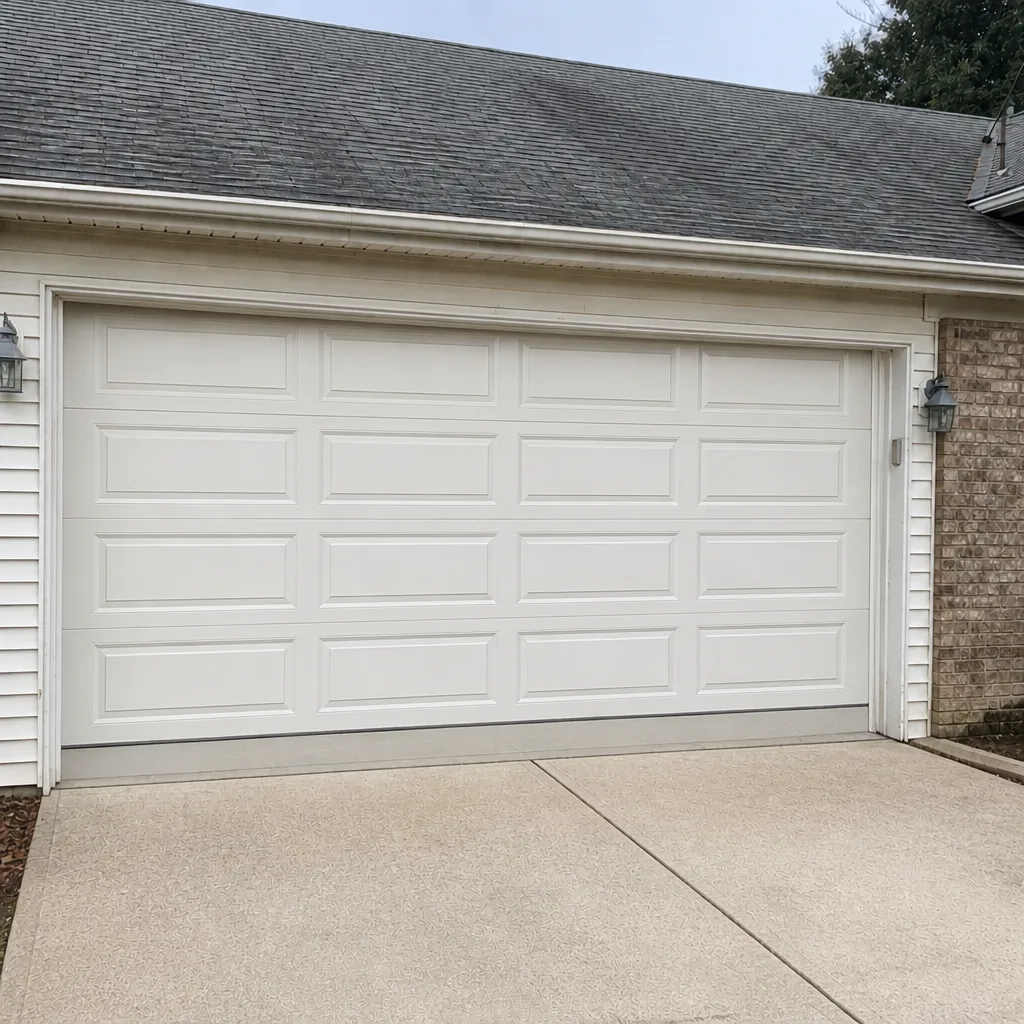 After
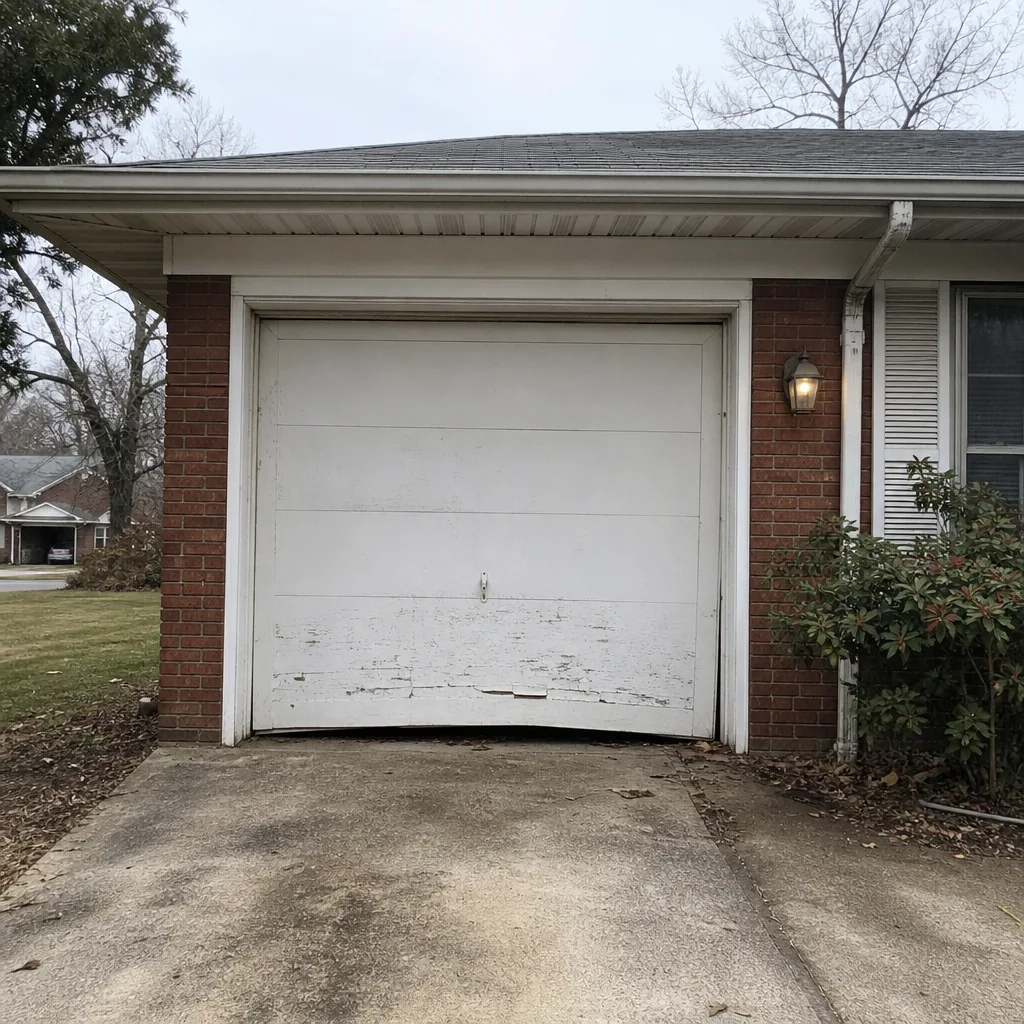 Before
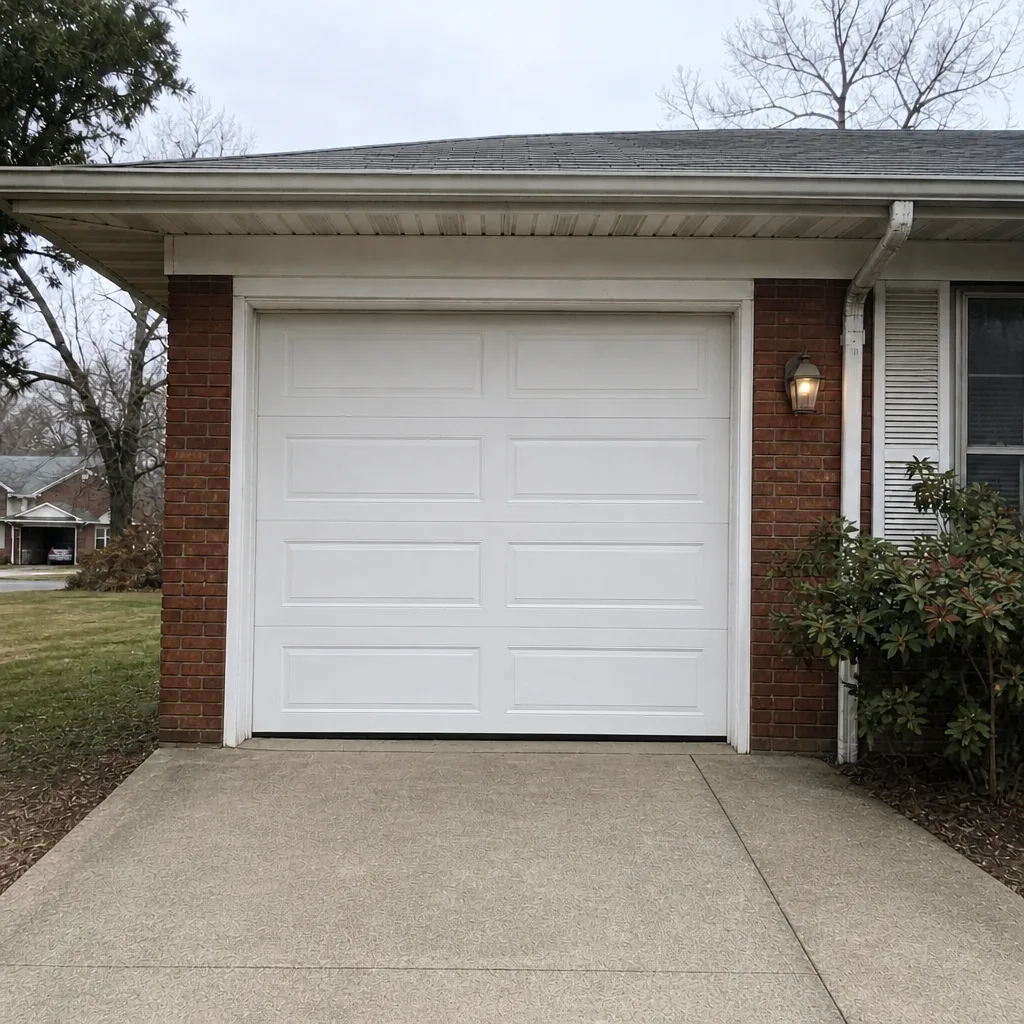 After
When to Call a Professional
Some of these signs are safe to check yourself, and some aren’t. Call a professional when you hear a popping sound from the spring area, when the coils show a gap, a bend, or a visible difference in length, when the door is too heavy to lift by hand, when a cable looks slack or has jumped its drum, or when the door moves unevenly after you’ve checked the tracks. Those are the signs that involve stored force or a component under load, and they’re the ones where a little knowledge is dangerous. Leave the spring and cable work to someone who does it every week.
Eldridge Garage Door Repair offers free estimates in Lakewood. Call (888) 287-5235. We answer 24/7. Fast dispatch from 7am to 7pm, Sunday through Friday. For a door that won’t open or close, we offer same-day and emergency service, so a stuck door doesn’t leave a car trapped or a house open all day. Whatever we find, the price is quoted and agreed before any work starts, so you won’t get an invoice that’s bigger than the number you said yes to. Our technicians have up to 8 years of experience.
Frequently Asked Questions
The most common signs are a door that opens slower than it used to, uneven movement where one side lifts before the other, grinding or popping sounds, and a door that reverses before closing. Visible coil gaps or bends in the torsion spring are the most urgent sign, because they predict a break. Any of these is reason enough to have the door looked at.
It depends on the job. A roller or hinge fix is a small repair. A spring or cable problem is a larger one. The easiest way to know is to get a free estimate. Call (888) 287-5235 for the written price, which is set before any work begins.
Almost always, but you need to tell them apart. A door that’s heavy by hand and drags at the bottom usually has a tired spring. A door that hesitates mid-travel, where the motor sounds like it’s working hard, usually has a worn opener. Adjusting the force setting to push through either one makes it worse. A technician can tell you which in a few minutes.
You can, but it’s rarely wise. On a two-spring door, both springs have seen the same cycles, and the second one usually fails soon after the first. A failing pair means two visits and two disruptions. Most repairs replace the matched pair together.
The first thing to check is the safety sensors. If they’re dirty or misaligned, clear them and test again. If the sensors are fine and the door still reverses, it’s usually too heavy for the opener, which points to spring tension. That’s a technician call. We answer 24/7 if it’s urgent: (888) 287-5235.
Yes. For a door that won’t close at night or won’t open in the morning, we offer emergency and same-day service. Call (888) 287-5235. A call outside dispatch hours is booked into the next opening, Sunday through Friday, 7am to 7pm.
The Bottom Line
The signs that cost Lakewood homeowners the most are the quiet ones: a door three inches slower, an uneven lift, a coil with a hairline gap. None of them feel urgent at the time, and that’s the trap. Every one of them points at a component that’s already failing. If you take one thing from this guide, make it this: watch the door travel, listen to what it tells you, and look at the coils with your eyes, not your hands. Catch a spring before it breaks and you turn an emergency into a scheduled repair. Call (888) 287-5235 for a free estimate. We work on your brand, we diagnose before we recommend, and the price is set before any work starts.
Written by the team at Eldridge Garage Door Repair.