
Last updated November 21, 2026
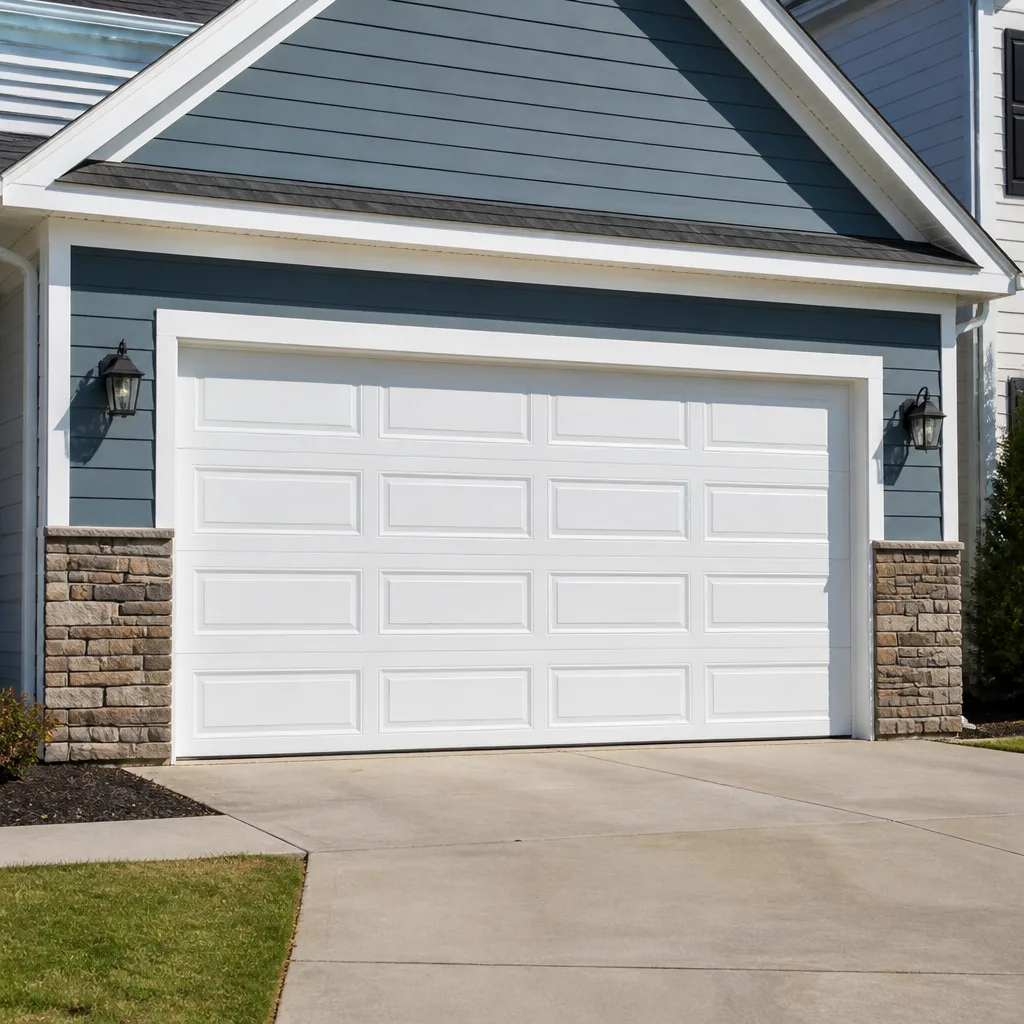 Raised-panel steel
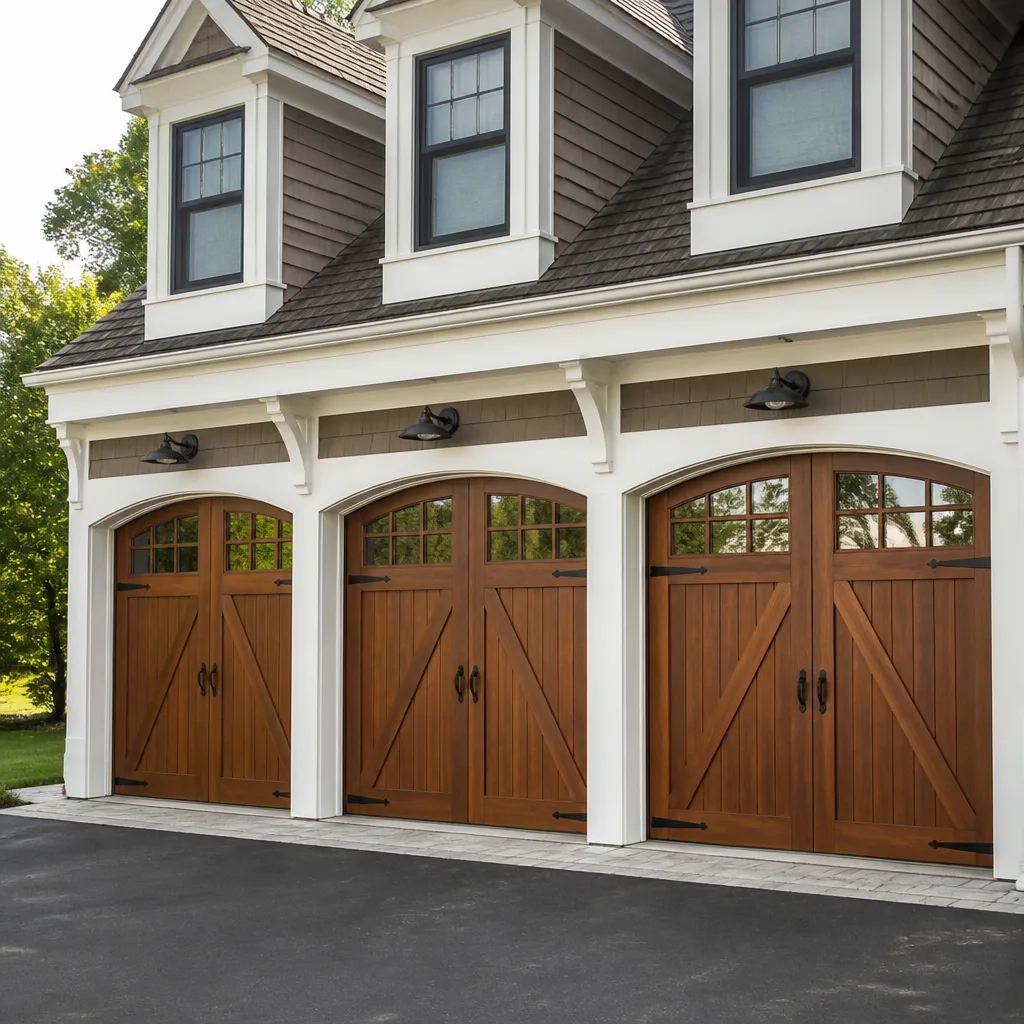 Carriage house
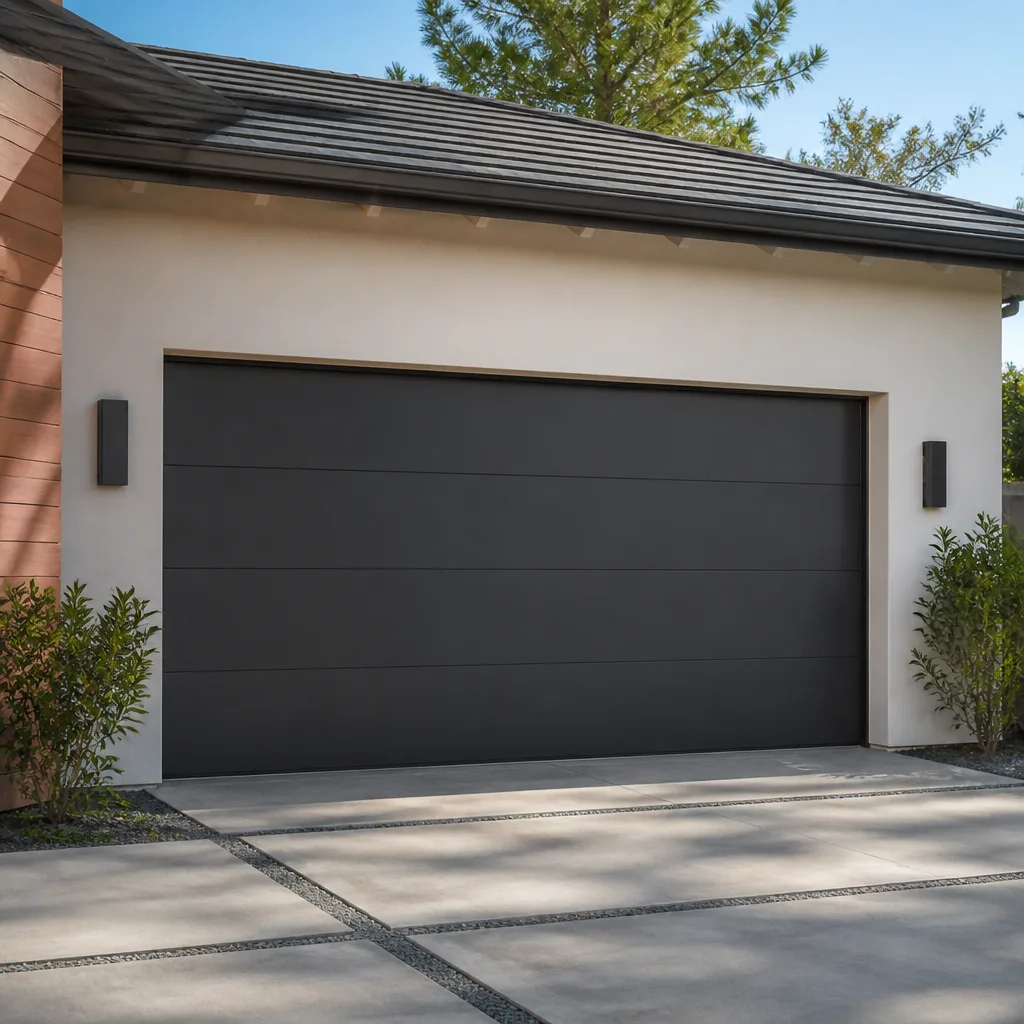 Modern flush
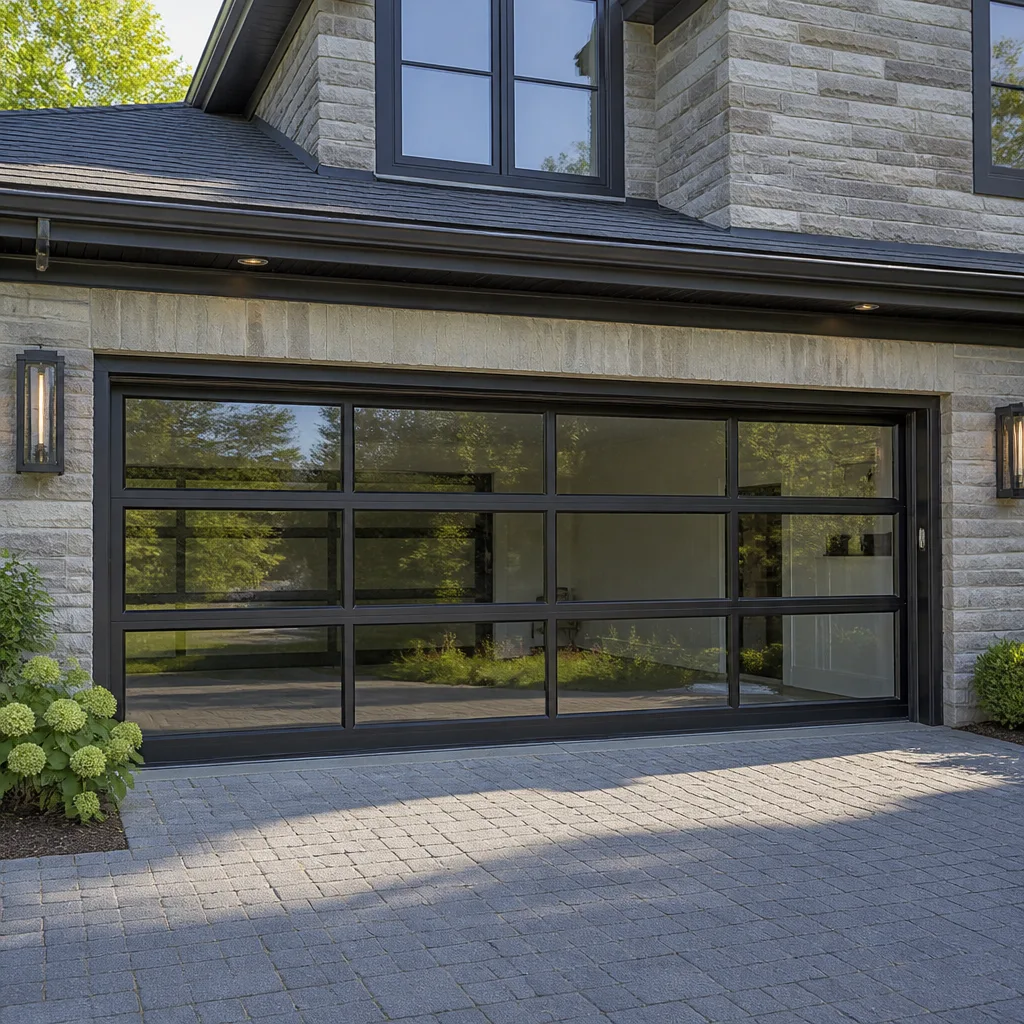 Full-view glass
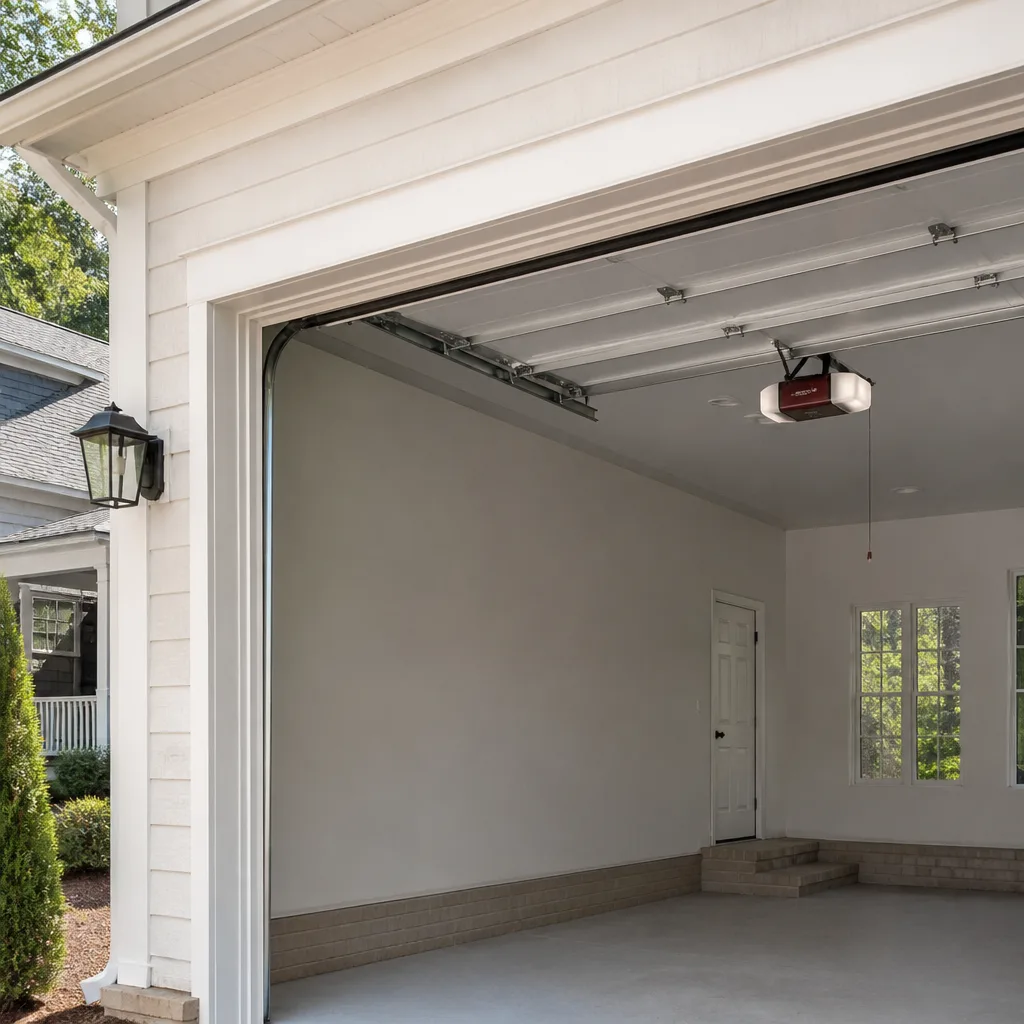 LiftMaster openers
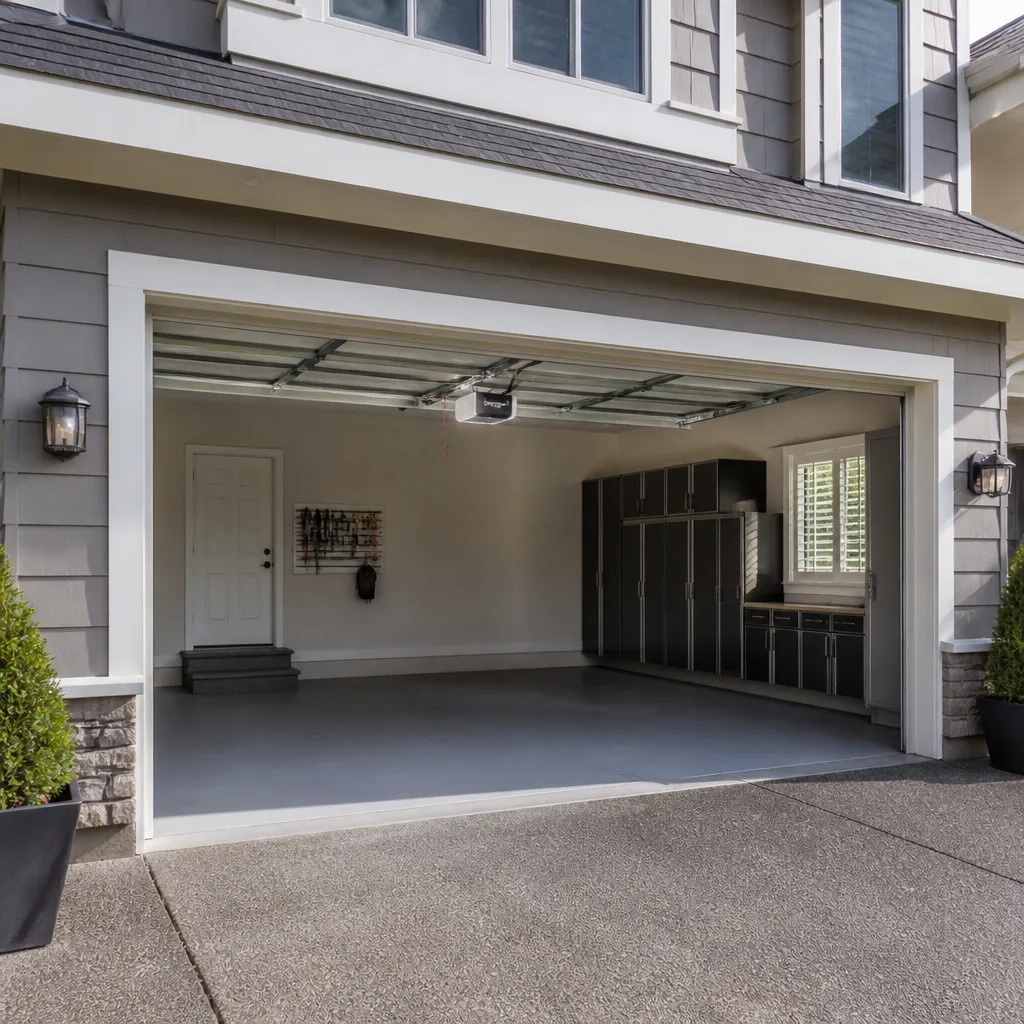 Chamberlain openers
Full 25-point door and opener safety check with every visit - springs, cables, rollers, tracks, and your LiftMaster or Chamberlain opener included
You get a price before we start. It does not change when the pro arrives.
Get your free estimateGarage Door Cost Breakdown: The Lakewood Homeowner’s Reference for 2026
The national average cost to replace a garage door is $1,200. That number is accurate the way “the average person has 1.8 children” is accurate: technically true, practically useless. Nobody in Lakewood lives in a national average house with a national average door in a national average climate. You live in a specific town with specific housing stock, and the numbers that actually help you decide are the ones built from what this market charges. That’s what this guide is. We’ll walk through what the most common repairs cost in Lakewood in 2026, how labor and materials break down, which line items on a quote are real and which are padding, and when repairing a door stops making financial sense. By the end you’ll know what to expect before anyone hands you an estimate.
Quick Answer
In Lakewood, NJ in 2026, the most common garage door repair is a single torsion spring replacement, typically estimated at $180 to $340 for one spring, with matched pairs costing roughly double since they’re almost always replaced together. Cable replacement usually runs $150 to $300, opener replacement $350 to $700 installed, and section or panel replacement $250 to $600 per section depending on the door. A full new door installation typically lands between $1,100 and $2,800 depending on size, insulation, and whether headroom is standard. Every one of these is a written estimate agreed before work starts, and the written estimate is the price.
Styles & brands we work with
- Raised-panel steel
- Carriage house
- Modern flush
- Full-view glass
- LiftMaster openers
- Chamberlain openers
Table of Contents
- Why National Averages Miss the Mark in Lakewood
- What the Most Common Repairs Cost in Lakewood
- Why the Same Door Model Costs Different Amounts
- How to Read a Detailed Quote: Real Line Items vs. Padding
- Repair or Replace? The Cost Math at Different Door Ages
- Do Insulation Upgrades Pay Off in Lakewood’s Climate?
- What You Should Never Do Yourself
- Common Mistakes to Avoid
- When to Call a Professional
Why National Averages Miss the Mark in Lakewood
A national cost guide averages a three-bedroom colonial in suburban New Jersey with a double-wide in rural Texas and a bungalow in coastal Oregon. Labor rates, permit costs, and housing stock differ enormously between those markets. Ocean County sits in a mid-to-high labor cost band for the Northeast, and the housing stock in Lakewood reflects decades of different building styles. Some of that stock has standard 7-foot headroom garages. Some has low-headroom setups that force different spring and opener approaches. Some has side-mount torsion systems that were common in homes built later in the 20th century. Each of those variations changes what a job actually costs, and none of them show up in a national average.
There’s also the door itself. A basic single-car steel door with a chain-drive opener is a very different cost profile from a double-car insulated door with a belt-drive smart opener. The material cost alone can swing by more than a thousand dollars. When you see a national average like $1,200, that number is sitting in the middle of a very wide distribution that doesn’t describe anyone’s actual house.
The other thing national guides can’t capture is the specific pattern of what breaks first in a given area. In Lakewood’s climate, with hot humid summers and cold winters, springs, cables, and rollers take a particular kind of wear. The thermal cycling over the year stresses metal components in a way that a mild coastal climate wouldn’t. That’s not a reason to panic. It’s a reason to understand what a quote for each component should look like. When you need a trustworthy garage door repair estimate, a written number from someone who’s seen hundreds of Ocean County doors is worth far more than any national figure.
What the Most Common Repairs Cost in Lakewood
The four jobs Lakewood homeowners call about most often are springs, cables, openers, and panels. Here’s what each one typically estimates at in 2026. Every figure assumes the written quote is agreed before work begins and that the technician diagnoses the actual cause on site.
Spring Replacement: $180 to $340 per spring
A torsion spring replacement typically estimates at $180 to $340 for one spring. Because springs wear in matched pairs and a failed spring leaves the second one under uneven load, technicians almost always replace both. A matched pair therefore costs roughly double, or about $360 to $680, and that’s the honest way to quote it. Anyone who offers a single spring at a low price without explaining the pair is either guessing at the condition of the other spring or planning to come back. A dedicated garage door spring repair call is the right move here. Torsion springs are under extreme tension, and a spring that fails while being handled can cause serious injury.
Cable Replacement: $150 to $300
Cables lift a door weighing hundreds of pounds, and they fray or snap at the drum when they’re worn. Replacing a cable set typically estimates at $150 to $300 depending on whether drums or other hardware need attention at the same time. Cables aren’t a job to attempt at home. They’re under tension alongside the springs, and the same safety rule applies.
Opener Replacement: $350 to $700 installed
When the opener itself fails, replacement typically estimates at $350 to $700 installed, depending on drive type (chain, belt, screw), whether the door is a single or double, and whether you choose a basic model or a Wi-Fi-enabled smart opener. A belt-drive LiftMaster or a Chamberlain with app control sits toward the upper end; a standard chain-drive Craftsman sits lower. We handle garage door opener repair across legacy and modern smart systems, so the brand on your ceiling won’t limit what can be done. Sometimes a failing opener is a logic board or a stripped gear, and repair is cheaper than replacement. Diagnosis comes first.
Panel or Section Replacement: $250 to $600 per section
A single dented or damaged section typically estimates at $250 to $600 depending on door style and whether the section is still available from the manufacturer. Older Wayne Dalton and Raynor doors occasionally have sections that are discontinued, in which case the honest answer is that repairing the section means replacing more of the door or all of it. Get that answer before work starts, not after.
Why the Same Door Model Costs Different Amounts
Here’s a scenario that confuses homeowners. Two neighbors buy the same door model, and the installed cost comes back hundreds of dollars apart. It isn’t the door. It’s the space around the door.
Lakewood has a mix of housing built across many decades, and the garage structures vary as much as the houses. Three situations push installation cost up:
- Low-headroom garages. A standard torsion setup needs a minimum amount of space above the door for the springs and drums. When that space isn’t there, the technician has to use a low-headroom torsion configuration, which costs more in labor and parts. If the headroom is borderline, the office has to confirm the measurement before the order goes in.
- Side-mount or jackshaft opener situations. Some garages can’t use a ceiling-mounted opener because of low clearance or a structural obstruction. A jackshaft (side-mount) opener such as a LiftMaster 8500-style unit resolves this but costs more than a ceiling unit.
- Non-standard door sizes. Custom width or height means custom sections, which means longer lead time and higher material cost. A standard 16-foot double door is cheaper per square foot than a non-standard size.
That’s why a legitimate contractor measures before quoting. A quote given over the phone for installation, sight unseen, is a guess dressed up as a price. We measure first, then write a firm price. On replacement and installation work that’s the sequence, and it’s why we don’t promise a same-day install. The door has to be measured, ordered, and scheduled. When you’re evaluating Eldridge Garage Door Repair for a project, ask the contractor to measure and to write down the spec. That’s how a clean quote starts.
How to Read a Detailed Quote: Real Line Items vs. Padding
A real quote tells you what’s being replaced, which brand and part number is being used, and how long the labor is expected to take. Padding looks like round numbers with no itemization, vague “adjustments,” or fees that appear out of nowhere. Here’s how to tell them apart.
Legitimate line items you should see
- Parts with brand and part number. “Two torsion springs, oil-tempered, 250×2.0” is real. “Springs (pair)” with no spec is not.
- Labor hours. Most spring pair jobs take an experienced technician one to two hours. Opener replacement typically two hours. Panel replacement varies with the section count.
- Specific consumables. Spring winder bars, lubricant, new weather seal if it’s being replaced as part of the job. These should be itemized and priced.
- Disposal. On a full door replacement, hauling away the old door and opener is a legitimate line item. On a spring repair, it generally shouldn’t appear.
- Specific notes on condition. Hinges worn, rollers close to failing, cable drums showing wear. A clean quote flags these as optional items rather than folding them in silently.
What padding looks like
- “Shop supplies” as a percentage add-on with no number behind it.
- “Additional adjustments” with no description.
- A single-line quote for a job that clearly involves multiple components, with no breakdown at all.
- “Diagnostic fee” that isn’t disclosed on the phone before the visit. Estimate visits should be free. If a technician intends to charge a diagnostic fee, you should know that before they arrive.
The single most important line on any quote is a sentence like: “The written estimate is the price. Additional work will be quoted and agreed before it’s started.” If a contractor won’t put that in writing, that’s your answer. Our written estimate sets the final price, full stop. If something changes on site, you hear about it before the work moves forward. That’s the agreement we make with every Lakewood customer. The price quoted before work is the price.
Repair or Replace? The Cost Math at Different Door Ages
This is the most common question we get in Lakewood, and it has a clearer answer than most people expect. The math isn’t about the door’s age alone. It’s about whether the repair cost crosses a threshold relative to the value still left in the door. Our approach is repair first. We diagnose the actual problem and fix it if fixing it makes sense. Only when repairs stop adding up do we recommend replacement.
When a repair is clearly the right call
- Door under 10 years old, single component failed. A $400 spring pair on a door that’s structurally sound is money well spent. The door has a decade or more of usable life, and the repair restores function.
- Any age, isolated hardware failure. A snapped cable, a stripped opener gear, a broken roller. These are wear items, not signs of structural failure.
- Door is a quality model in good cosmetic condition. Wood sections, heavy-gauge steel, branded sections still available from Clopay or Amarr. Repair preserves a door that still has value.
When replacement makes financial sense
- Door 20 years or older with multiple failures in a short window. If a $400 repair on a 20-year-old door is the third visit in two years, the door is telling you something. The next $400 is coming, and the one after that.
- Sections are rusted through, cracked, or delaminating. Panel replacement buys time, but water intrusion and structural damage don’t stop at one section.
- Non-standard sections are discontinued. If the manufacturer no longer produces the section, what looks like a $400 repair can turn into a $2,000 partial door replacement, which is money you may as well put toward a new door.
- The opener is failing at the same time. A door repair plus an opener replacement on an old system often approaches a reasonable share of a full new door and opener. Run the total before you commit.
The practical rule: if the repair cost exceeds roughly a third of the cost of a new door, and the door is over 15 years old, price out replacement before you say yes to the repair. If the repair is under that threshold, repair is usually the right call. That’s it. No complicated formula. Just arithmetic dressed up honestly.
Do Insulation Upgrades Pay Off in Lakewood’s Climate?
This is where Lakewood’s specific climate matters. Hot, humid summers and cold winters put real stress on a garage. An attached garage shares walls and ceiling with the house, and an uninsulated garage door is essentially a large hole in that thermal envelope. A detached garage doesn’t share conditioned space with the house, so the math is different.
For an attached garage, an insulated door (or an insulation kit on an existing door) reduces heat transfer between the garage and the rooms above or beside it. The payoff depends on how the garage is used. If the room above the garage is a bedroom or living space, that difference is worth paying for. If the garage is a workshop or a frequently-used transition space, same answer. If the garage is rarely used and separated from living space by an exterior wall, the payoff is smaller.
For a detached garage, insulation doesn’t affect the home’s energy use at all. It just makes the garage itself more comfortable and can help keep the space above freezing in winter. That may matter or it may not. Be honest with yourself about which one you have before you pay for insulation.
Insulation upgrades on a new door typically add a few hundred dollars to the cost, and the difference between a basic single-layer steel door and an insulated double-layer or sandwich door can be a substantial share of the total. If you’re replacing the door anyway, the insulation upgrade is the cheaper moment to do it. Retrofitting a kit later is more expensive and less effective than a factory-insulated door.
What You Should Never Do Yourself
Torsion springs, cables, and drums are under extreme tension. A torsion spring that fails while being adjusted can break a hand or worse. Cable tension and openers add a second hazard because the door itself weighs hundreds of pounds even after the tension is removed. We don’t walk homeowners through DIY spring or cable work, and no responsible garage door technician would. Back off and call a professional who’s trained for it. Our technicians have up to 8 years of experience with exactly these components, and even they use specific tools and procedures to bring the tension down safely.
If you’re assessing your own door before calling, stay on the safe side of the information. Check whether the door opens and closes fully and whether it makes new noises. Note what you hear and what you see. Don’t remove springs, don’t loosen cables, don’t stand under a partially open door. Those are the bounds of what you should do yourself. Everything past that is a call.
Common Mistakes to Avoid
- Taking the lowest bid on a spring job. The lowest bid usually means one spring instead of two, or a generic spring that’s undersized for your door’s weight. That’s a false economy. Two sentences of specification on the quote tells you which contractor is doing it right.
- Assuming a national average applies to your Lakewood home. A $1,200 national average for replacement doesn’t reflect standard headroom, non-standard sizes, or Ocean County labor rates. Get a written local number before you budget.
- Letting a contractor quote a full replacement over the phone. Installation requires measurement. Anyone willing to firm up a replacement price without seeing the garage is either guessing or planning to change the number after the measurement. Ask for a written estimate after a measure.
- Ignoring a slow opener or a noisy door. Grinding in a LiftMaster or Chamberlain opener usually means a stripped gear or worn logic board, not normal wear. Same with rollers that squeak. Small costs turned into big ones by delay.
- Skipping the corrosion check on hinges and rollers. It’s easy to look only at the spring that just snapped and miss the two rollers ready to fail. Ask a technician to note them on the quote as optional.
- Believing a door over 20 years old doesn’t need a full inspection. It does. Section integrity, opener mounting, and rail alignment all matter more on older doors, and it’s cheaper to find out now than when a door comes off its track.
- Choosing a generalist for a garage door job. Garage doors have their own mechanical language. A handyman who also does garage doors is a different technician from a garage door specialist who only does garage doors. Ours only do garage doors.
When to Call a Professional
Call us when the door won’t close, when a spring has visibly snapped, when a cable is hanging, when the opener runs but the door doesn’t move, or when you hear any new grinding, popping, or scraping sound. Call us when the door comes off its track or when the bottom section is broken. Call us when you’re budgeting a replacement and want a firm written number rather than a national average.
For situations that can’t wait, we dispatch technicians Sunday through Friday, 7am to 7pm, and we answer the phone 24/7. Same-day service is available on repair calls when the schedule allows, and for anything outside that window, we book you into the next opening. Fast dispatch from 7am to 7pm, Sunday through Friday. We’re closed on Saturday.
Eldridge Garage Door Repair offers free estimates in Lakewood. Call (888) 287-5235 for a written number before you decide anything. A licensed, insured local pro will measure, diagnose, and quote before any work begins, and the price quoted is the price.
See the difference
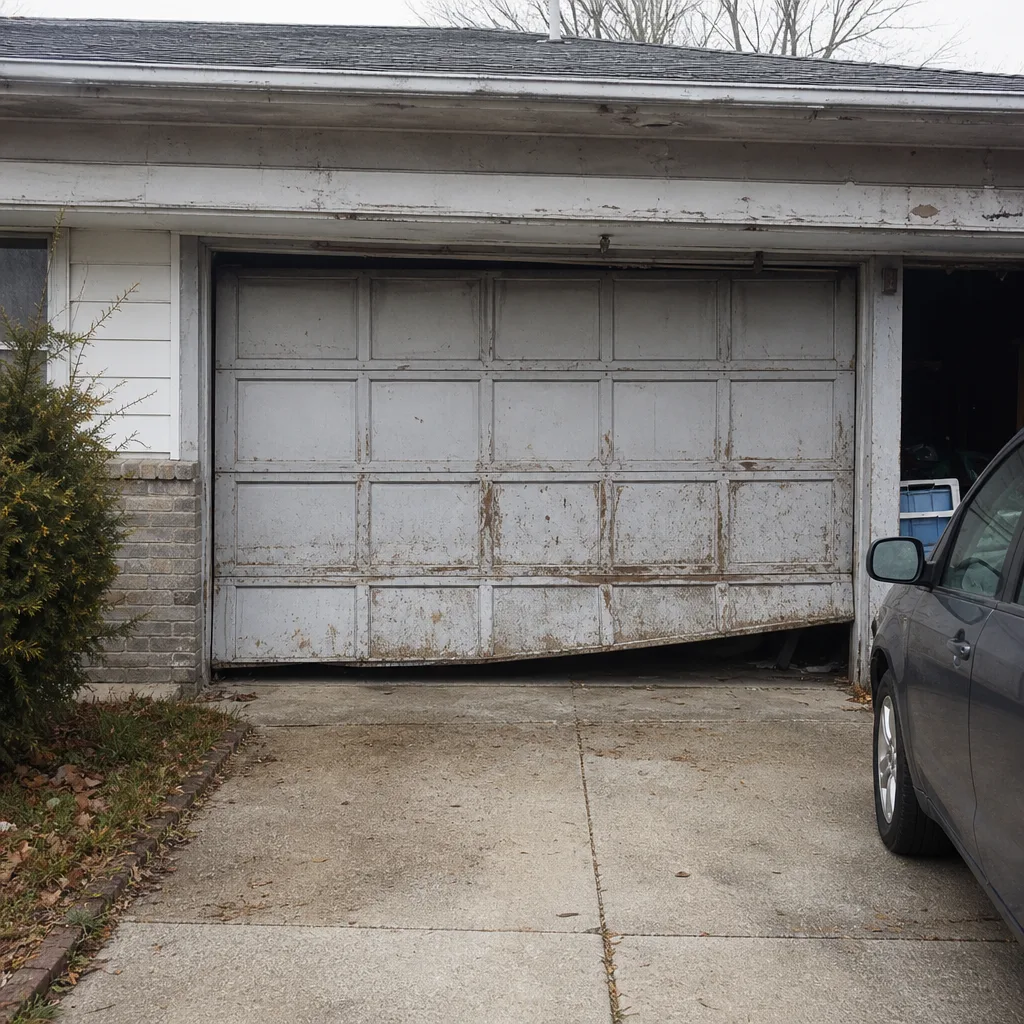 Before
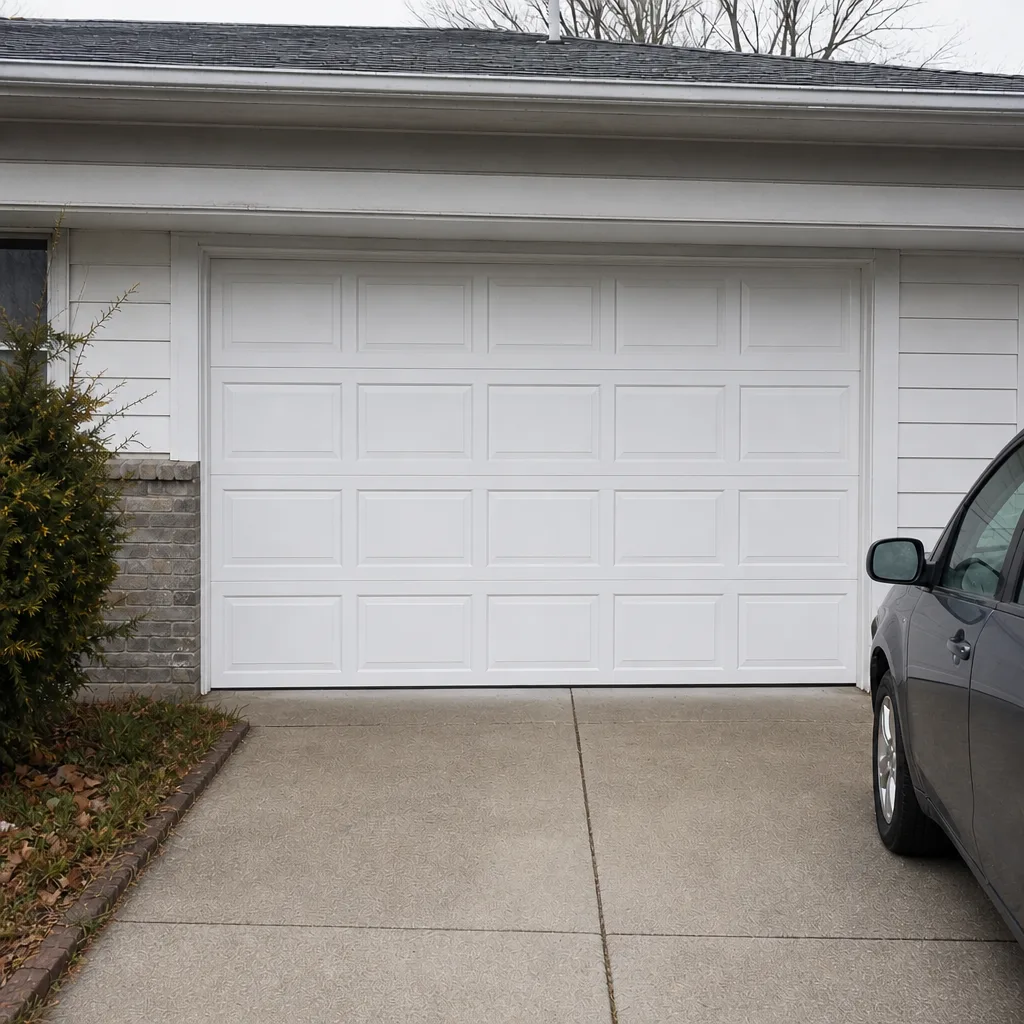 After
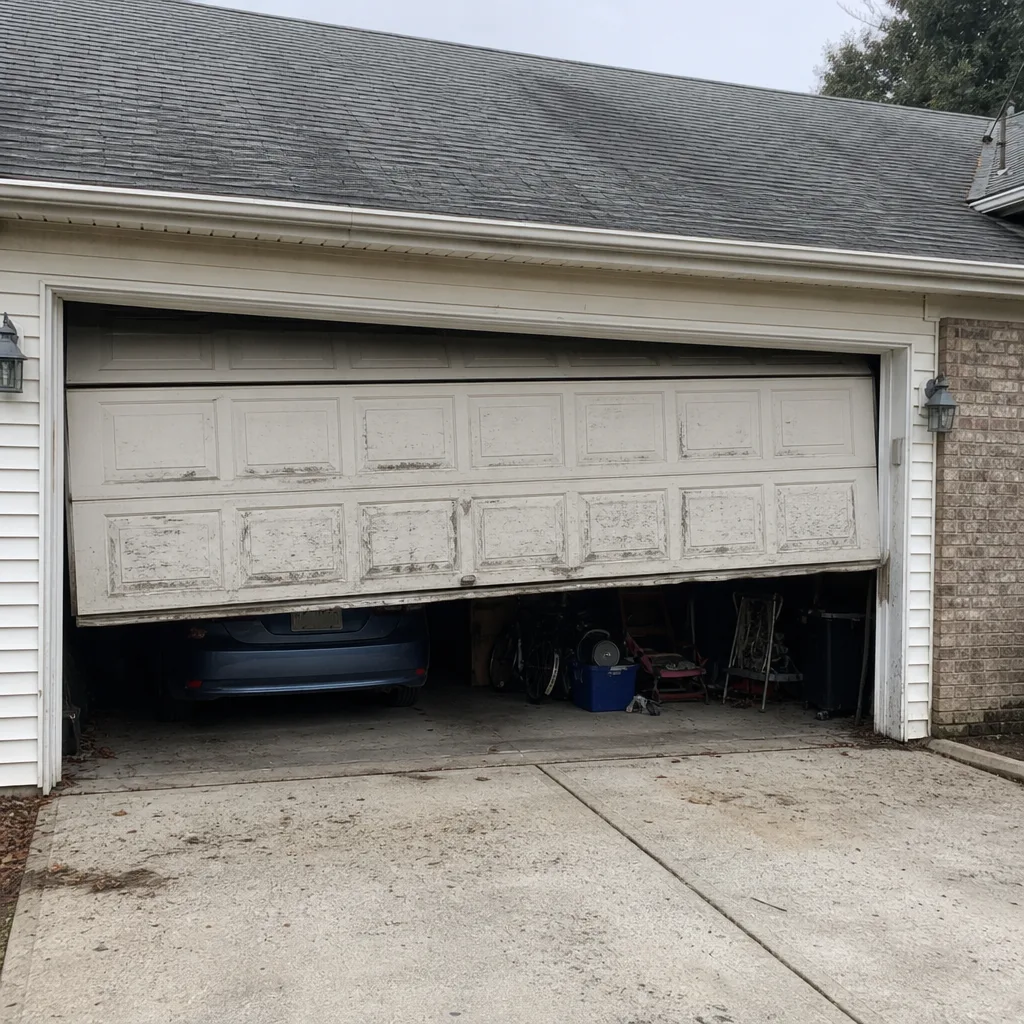 Before
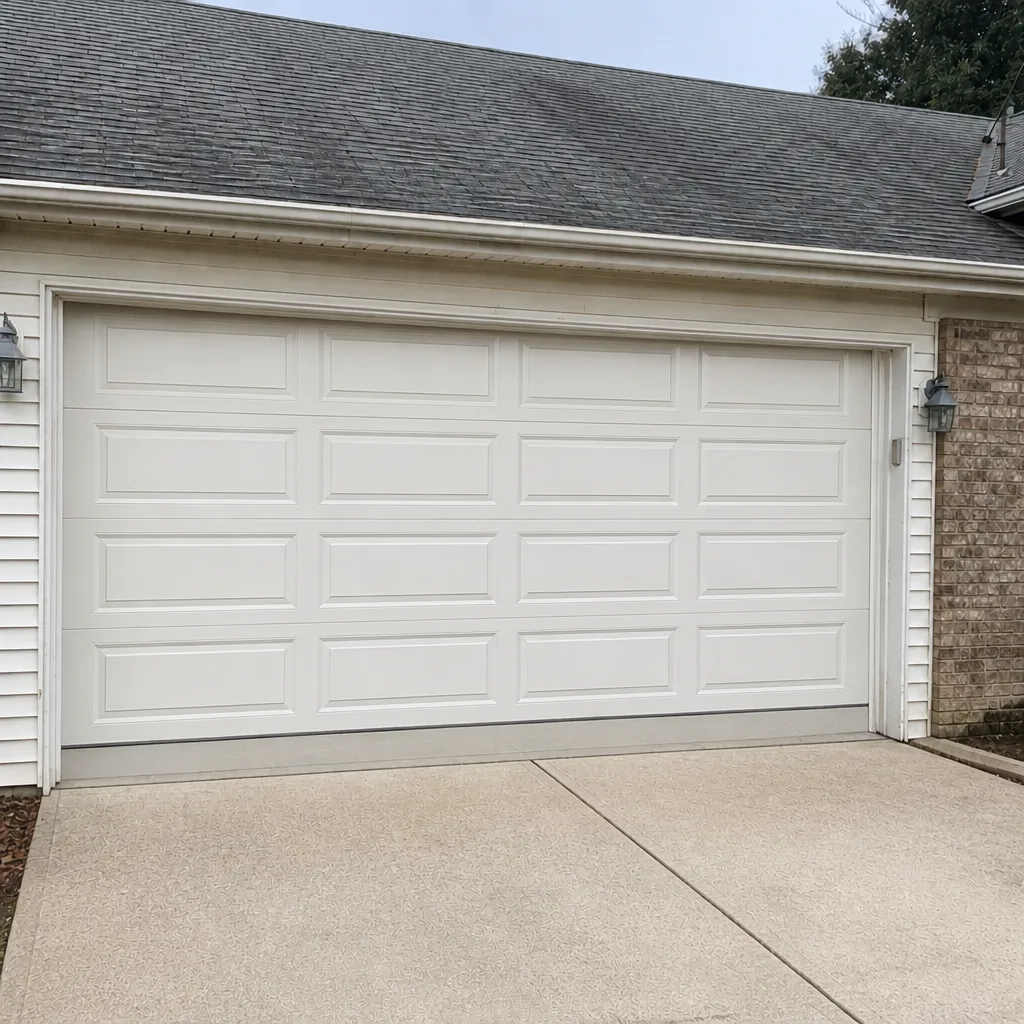 After
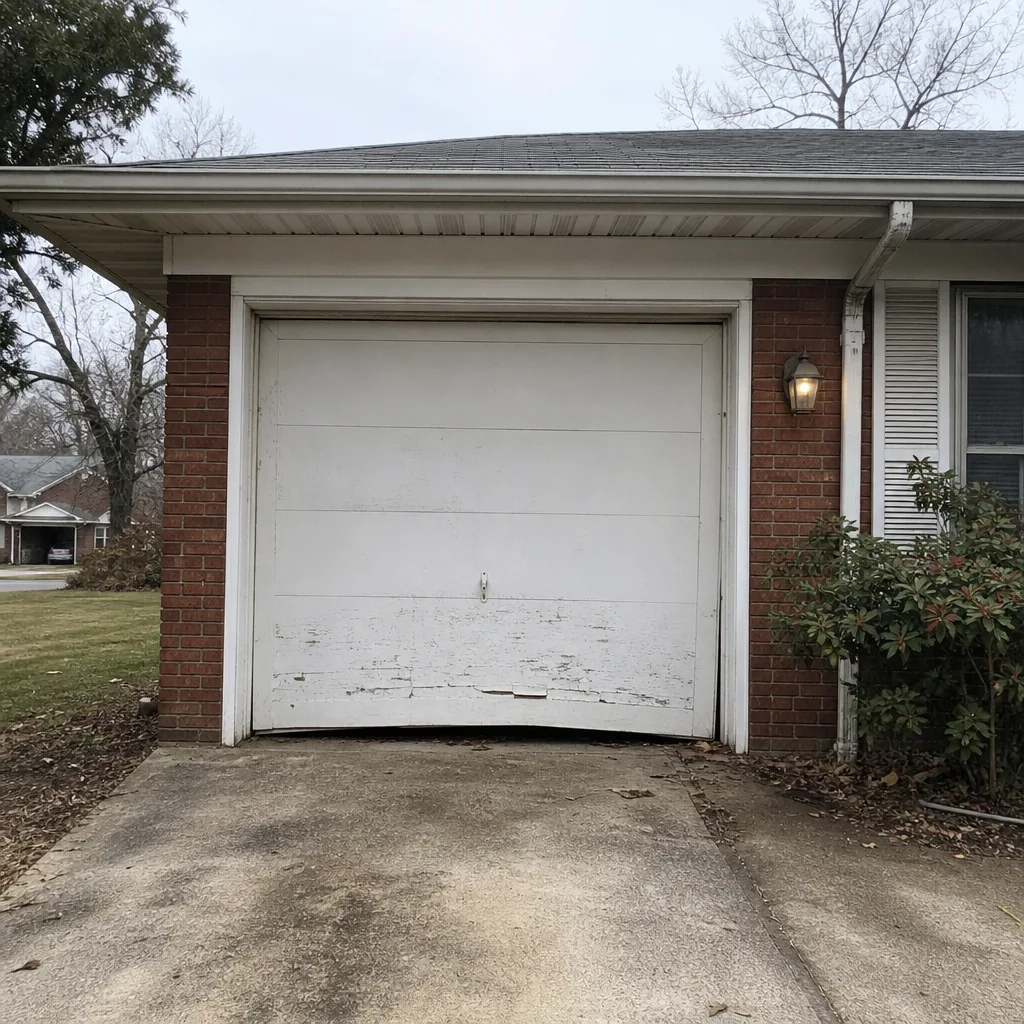 Before
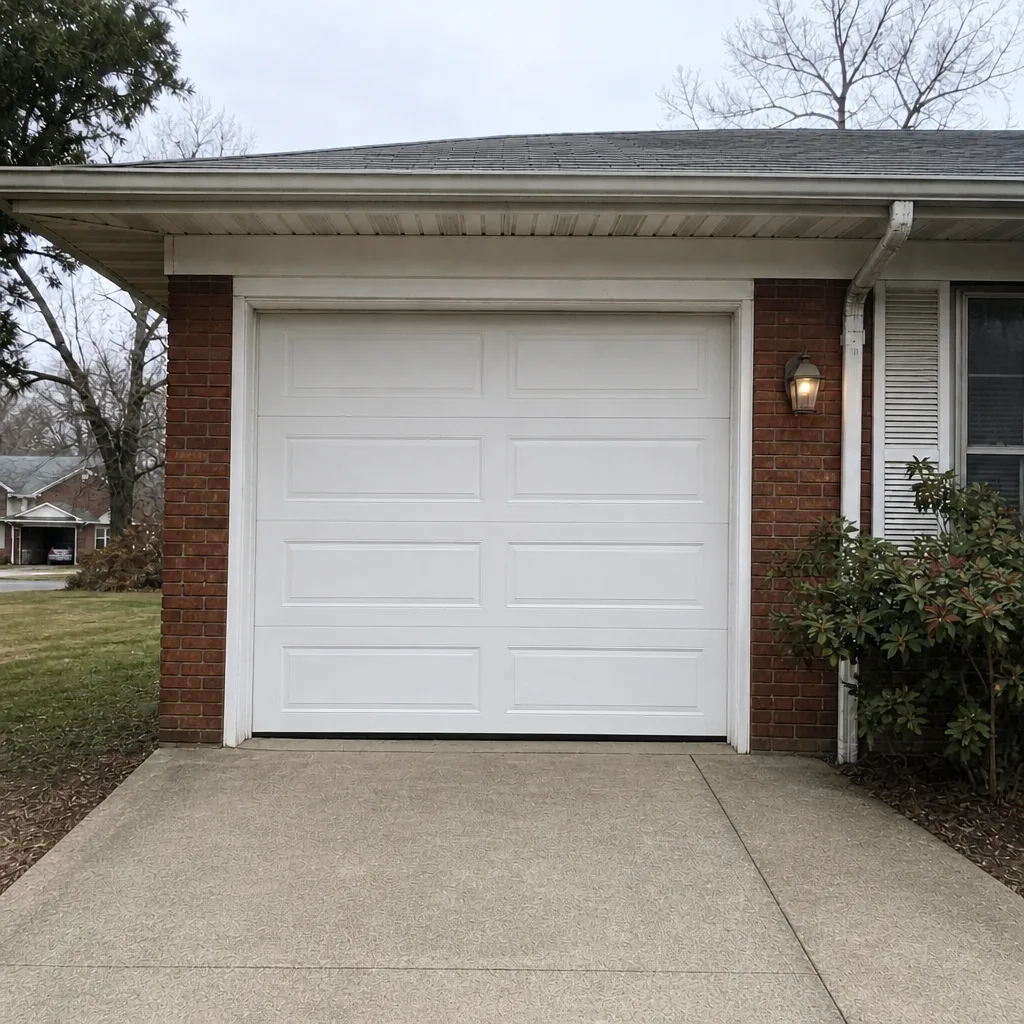 After
Frequently Asked Questions
Typically $180 to $340 for one spring in Lakewood in 2026. Because matched pairs are almost always replaced together, a pair usually runs about $360 to $680. The written estimate sets the final price. Call (888) 287-5235 for an exact quote – estimates are free.
Often yes. We dispatch technicians in Lakewood Sunday through Friday, 7am to 7pm, and same-day service is available on repair calls when the schedule allows. If your call comes outside that window, we’ll book you into the next opening. Call (888) 287-5235. We answer 24/7. Fast dispatch from 7am to 7pm, Sunday through Friday.
No. The price we quote is the price agreed before work starts. If the diagnosis on site reveals an additional issue – a worn roller, a failing opener – we tell you before doing anything, and you decide whether to proceed. We don’t do surprise invoices. Call (888) 287-5235 for a free estimate.
Yes. The licensed and insured local professionals we connect you with are licensed and insured as New Jersey requires for their trade. Call (888) 287-5235 to book an estimate – you can ask about credentials before the visit.
Typically $1,100 to $2,800 installed in 2026, depending on door size, insulation level, and headroom. A standard single door with an uninsulated steel panel sits at the lower end; a double door with insulation and a modern opener sits higher. Custom or low-headroom installations run more. Call (888) 287-5235 for a free measure and written estimate.
Repair is almost always cheaper on a door that’s structurally sound. A spring pair replacement at $360 to $680 versus a full replacement at $1,100 to $2,800 is clear math. The decision shifts toward replacement when the door is 20 years or older and repairs start stacking up. Call (888) 287-5235 for an honest diagnosis before you decide.
The Bottom Line
The numbers that actually help a Lakewood homeowner make a decision are local, itemized, and written down before anyone starts work. Springs typically run $180 to $340 each, with matched pairs around $360 to $680. Cables run $150 to $300, openers $350 to $700 installed, and panel replacement $250 to $600 per section. Full door replacement typically runs $1,100 to $2,800 depending on size, insulation, and headroom.
Repair first. Fix what’s broken if fixing it makes sense, and let the numbers tell you when replacement is the better move. Every job gets a written estimate agreed before work begins. Eldridge Garage Door Repair handles brands across the board, from Craftsman to Raynor to LiftMaster, with technicians who’ve spent up to 8 years on this equipment. Call (888) 287-5235 for a free estimate in Lakewood. We answer 24/7. Fast dispatch from 7am to 7pm, Sunday through Friday.
Written by the team at Eldridge Garage Door Repair.