
Last updated November 21, 2026
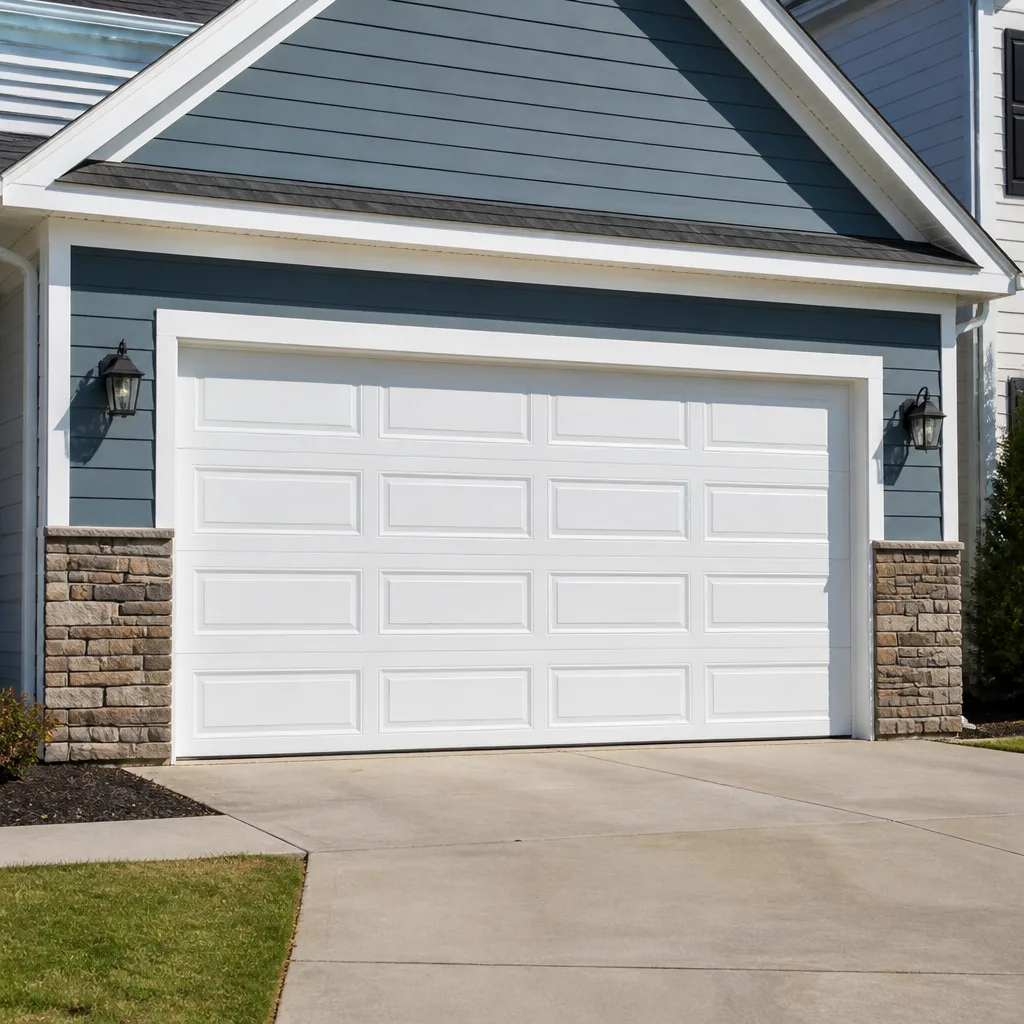 Raised-panel steel
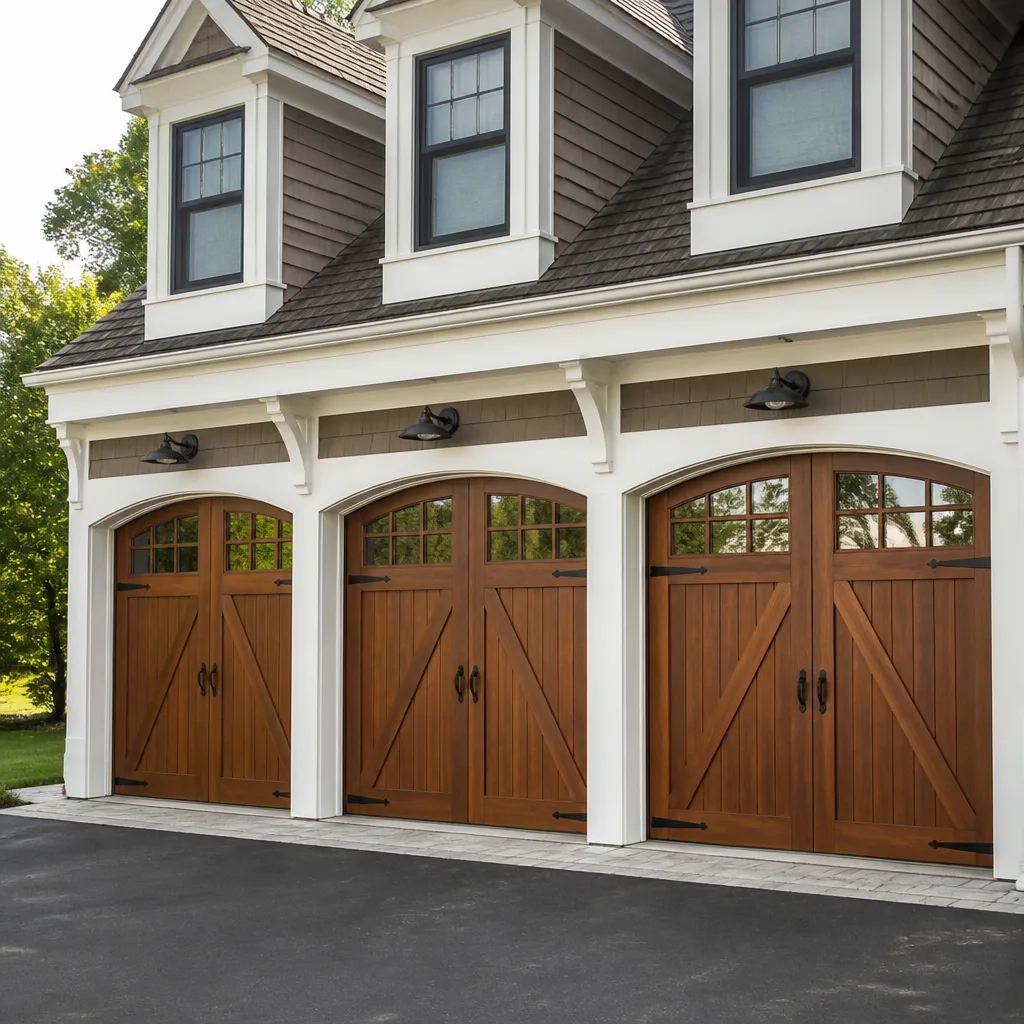 Carriage house
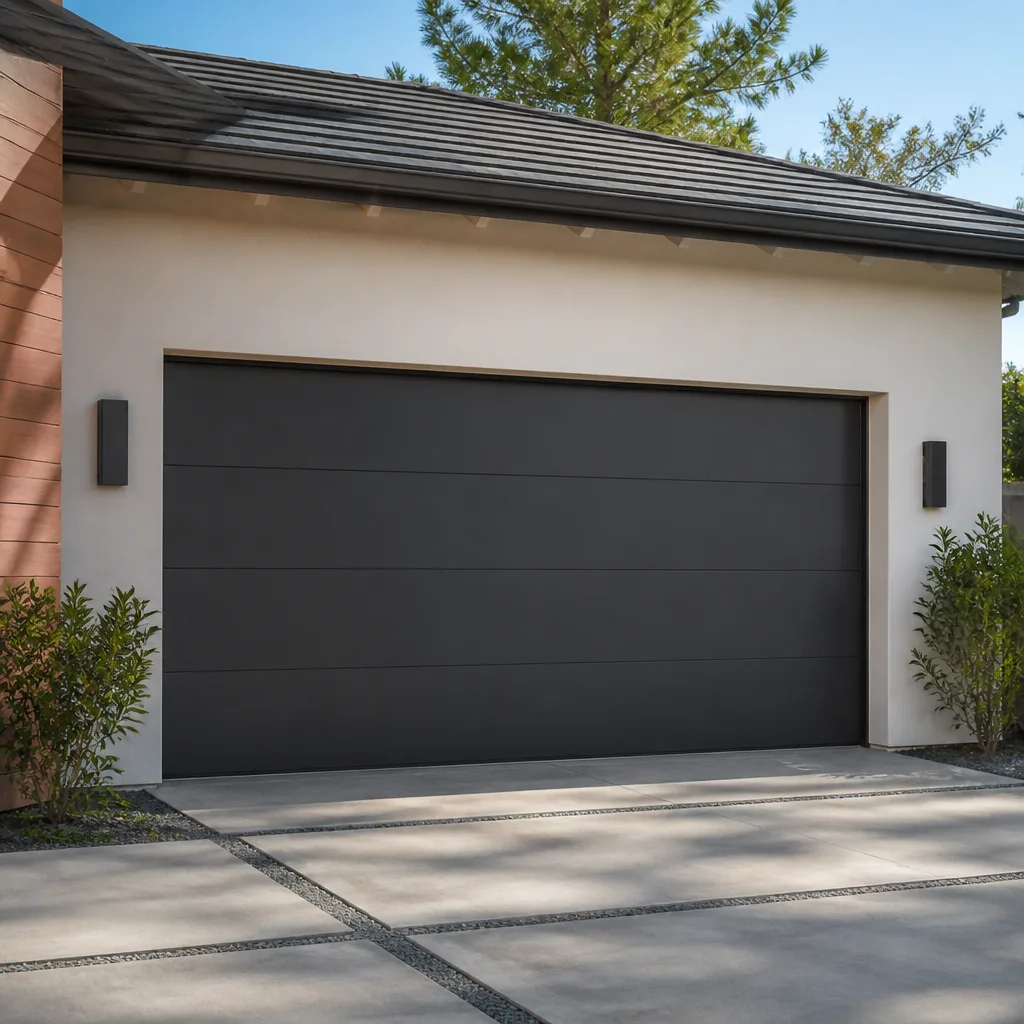 Modern flush
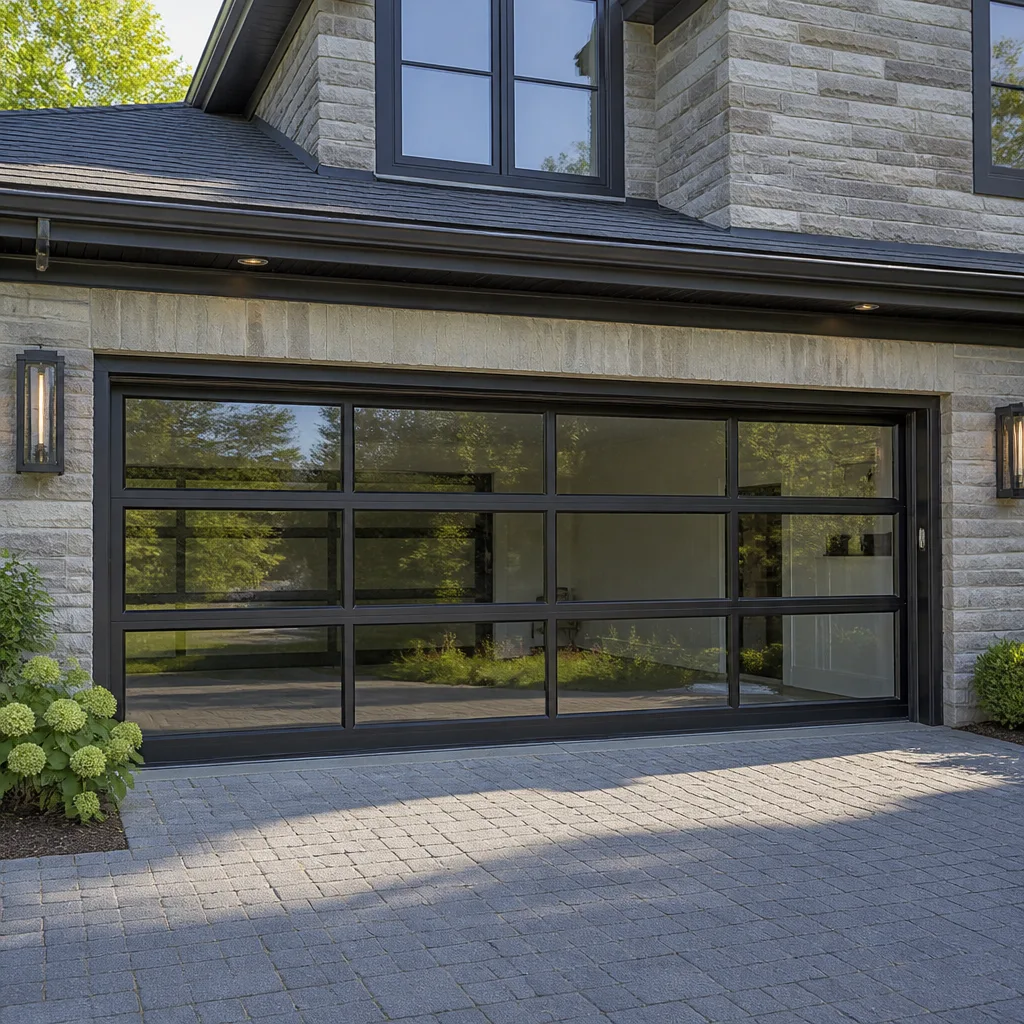 Full-view glass
 LiftMaster openers
 Chamberlain openers
Full 25-point door and opener safety check with every visit - springs, cables, rollers, tracks, and your LiftMaster or Chamberlain opener included
You get a price before we start. It does not change when the pro arrives.
Get your free estimateSeasonal Garage Door Care for Lakewood: Year-Round Homeowner’s Guide
Your garage door doesn’t suddenly get loud every February by accident. It gets loud because the lubricant you applied in spring thickens in Lakewood’s damp winter cold, and nobody told you to switch products in October. That single detail explains more winter noise complaints than any mechanical failure we see. Most seasonal maintenance advice you’ll find online was written for a generic American climate, which means it misses what actually matters here: the sequence of freeze-thaw cycles, humidity swings, and long damp stretches that shape how Lakewood garage door hardware wears through the year. This guide walks you through that local calendar, month by month, so you know what to check, what to lubricate, and what to leave alone. We’ll also flag the jobs that are genuinely dangerous to touch.
Quick Answer
Seasonal garage door care in Lakewood means following the local weather rather than a generic four-season template: switch to a cold-rated lubricant in October before the first freeze, check bottom seals before the humid summer, inspect springs and cables after winter, and verify wind-load bracing before hurricane season. Each check is quick, but doing them in the right order is what keeps a Lakewood door quiet and balanced all year.
Styles & brands we work with
- Raised-panel steel
- Carriage house
- Modern flush
- Full-view glass
- LiftMaster openers
- Chamberlain openers
Table of Contents
- Why Lakewood Garage Doors Wear Differently
- The February Noise Problem: Winter Lubricant in Lakewood
- What to Check in Late October Before the First Freeze
- Summer Humidity and Your Wood Door Sections
- Spring Post-Winter Inspection: Springs and Cables
- Before Hurricane Season: Wind Load and Bracing
- Your Month-by-Month Lakewood Calendar
- Openers, Smart Systems, and Seasonal Adjustments
Why Lakewood Garage Doors Wear Differently
Lakewood’s climate doesn’t follow the template most maintenance advice assumes. The town sits close enough to the shore that its seasonal wear patterns look different from what you’d expect in a drier, more inland part of the state. That combination – humid summers, damp cold winters, and repeated freeze-thaw cycles – acts on garage door hardware in a particular sequence, and understanding that sequence is the whole point of this guide.
Three forces shape the year in Lakewood:
- Freeze-thaw cycles through winter. Water works its way into small gaps around bottom seals and panel joints, freezes, expands, then thaws. Repeat that across a season and it slowly loosens seals, stresses fasteners, and works at the joints between sections.
- Humidity through summer. Lakewood’s summer air holds a lot of moisture. That’s hard on wood door sections, bottom seals, and any metal component that doesn’t get air moving around it.
- Damp cold in the shoulder seasons. The cold here isn’t the dry, crackling cold of inland areas. It carries moisture, and that changes how lubricants behave and how metal contracts.
Read those three together and the logic of the local maintenance calendar falls into place. Your October work is about preparing for freeze-thaw. Your June work is about humidity. Your March work is about assessing what winter left behind. That ordering is what separates Lakewood care from generic advice, and it’s what we’ll map out in the sections below. Our technicians have up to 8 years of experience working on these systems, and the seasonal patterns repeat predictably once you know what to look for.
The February Noise Problem: Winter Lubricant in Lakewood
If your garage door gets loud every February, the cause is usually the lubricant rather than a failing part. Standard white lithium grease, the product most homeowners reach for, thickens noticeably in Lakewood’s damp cold. As it thickens it stops doing its job on hinges, rollers, and tracks, and the door starts to grind and groan. Some of that noise is cosmetic. Some of it signals real friction that wears parts faster.
The fix is to change what you use and when. In October, clean off the old lubricant and switch to a product formulated to stay fluid in cold weather. A silicone-based spray or a purpose-made cold-weather garage door lubricant works well on the moving parts. Part of the seasonal routine is knowing what to avoid as much as what to use.
Where to lubricate
- Hinges: a light application at each hinge pivot.
- Rollers: the bearing area, not the roller surface that rides the track.
- Track curves: a thin film where the door transitions, never a heavy coat.
- The opener rail and chain or belt: follow the manufacturer’s guidance for your specific brand, whether that’s a Chamberlain, Genie, or another system.
What to avoid
- White lithium grease in winter. It’s fine in mild temperatures and poorly suited to Lakewood’s damp cold.
- Heavy grease or oil on the tracks. It attracts grit, which grinds against the rollers.
- WD-40 as a long-term lubricant. It’s a light penetrant, not a lasting protective film.
- Lubricating the springs themselves. Springs are under extreme tension and shouldn’t be handled by homeowners.
One safety note before we go further: garage door springs and the cables they connect to are under high tension and can cause serious injury if handled wrong. Lubrication around hinges and rollers is homeowner work. Anything involving springs or cables belongs with a trained professional. If you hear a loud snap or the door suddenly won’t lift, stop and call for garage door spring repair rather than investigating yourself.
What to Check in Late October Before the First Freeze
Late October is the most important maintenance window of the Lakewood year, because everything you do now determines how the door handles freeze-thaw. Ocean County sees repeated freeze-thaw cycles through winter – more than drier inland areas where the ground stays cold once it freezes. Every one of those cycles works at your seals, fasteners, and door balance. Get ahead of it in October and you prevent most of the damage.
Work through this list before the first hard freeze:
- Inspect the bottom seal. Run your hand along the rubber seal at the base of the door. Cracks, stiffness, or gaps mean cold air and moisture get in, and freezing water will widen those gaps. Replace a failing seal now rather than in January.
- Check door balance. Disconnect the opener (follow the manufacturer’s release procedure), lift the door halfway, and let go. A balanced door holds position. If it drops or rises on its own, the springs are out of adjustment and should be looked at by a professional.
- Test the auto-reverse safety feature. Place a small object in the door’s path and confirm it reverses on contact. This is quick, and it matters all winter when the door is cycling in cold conditions.
- Tighten visible fasteners. Freeze-thaw loosens bolts at hinges and brackets over a season. A quick pass with a wrench on accessible hardware prevents rattles.
- Switch the lubricant. Clean and relubricate with the cold-weather product described above before temperatures drop.
- Clear the tracks and check alignment. Debris in the tracks combined with ice is a common winter jam. Clean them and check that the door runs smoothly by hand.
- Look at the weatherstripping around the frame. Gaps let in the damp cold that stresses the whole system.
None of these steps requires special tools, and together they take an afternoon. What they prevent is the cascade of small failures that turns into a repair call in the middle of a cold snap.
Summer Humidity and Your Wood Door Sections
Wood garage doors in Lakewood face a specific summer challenge: sustained humidity that a drier part of the state doesn’t see. Wood absorbs moisture and expands, then dries and contracts when the air dries out. Do that repeatedly and you get warping, sticking sections, and paint that fails early. This is more pronounced in Lakewood than in inland areas, and it’s the reason wood door owners here need a summer check that steel and aluminum door owners can skip.
What to check on a wood door in summer
- Paint and finish integrity. Any bare wood or cracked paint lets moisture straight into the grain. Touch up before the humid stretch, not after.
- Section joints. Look for swelling or separation between panels. Minor swelling often settles when the air dries; persistent gaps need attention.
- Bottom edges. The bottom of a wood door sits closest to ground moisture and is usually the first place to show rot or softness.
- Sticking or binding. If the door sticks in humid weather, the wood has absorbed moisture and changed shape. That stresses the opener and the springs.
Bottom seals in the humid months
Rubber and vinyl bottom seals are also affected by summer humidity. They can soften, distort, or pull away from the door bottom flange. A seal that doesn’t sit flat lets in water and insects, and in a humid Lakewood summer that means moisture where you don’t want it. Run a hand along the seal monthly through summer and replace it when it stops making clean contact with the floor. Steel and aluminum doors from brands like Clopay and Amarr still benefit from a seal check even though the door material itself handles humidity better.
Spring Post-Winter Inspection: Springs and Cables
By March, winter has finished working on your door, and it’s time to assess what it left behind. Springs and cables are the parts most affected by a coastal New Jersey winter, and the wear looks different from what you’d find after a drier inland winter. The damp cold stresses metal differently than dry cold, and the repeated freeze-thaw cycles put more load cycles on the whole system. This is the inspection that tells you whether you’re set for the year or due for a repair.
What a spring inspection covers
Torsion and extension springs are the counterbalance that makes the door feel light. After winter, a professional inspection looks at:
- Visible gaps or breaks in the spring coils, which signal a spring that’s failed or about to.
- Stretch and set in extension springs, which lose tension over time and seasons.
- Balance and cycle count. A door that no longer balances as it should points to spring wear.
Homeowners can look at springs from a distance and note obvious breaks. They shouldn’t touch them. Springs store enormous energy, and a spring that lets go while someone is working near it can cause serious injury. If the door feels heavy, won’t stay up, or you can see a broken coil, that’s a job for a trained professional. We handle garage door spring repair as a dedicated service for exactly this reason – it’s one of the most technically demanding jobs in the trade, and it’s frequently botched by people who aren’t specialists.
What a cable inspection covers
Cables run alongside the springs and hold the door’s tension. After a Lakewood winter, look for fraying, kinks, or rust at the drum. Frayed cables are a warning sign, not a maintenance item. If a cable looks worn, have it assessed before continuing to operate the door.
Before Hurricane Season: Wind Load and Bracing
The one step most Lakewood homeowners skip before hurricane season is verifying the door’s wind-load rating and brace condition. Garage doors are the largest opening on most homes, and they’re one of the first things to fail in high wind if they aren’t properly braced. Yet it’s the part of seasonal care people overlook, because it’s invisible until it matters.
What to check before the season arrives:
- Find the door’s wind-load rating. The rating is usually on a label on the door or in the paperwork that came with it. If you can’t find it, a professional can help identify it from the door’s construction.
- Inspect the bracing. Doors rated for high wind have horizontal and vertical reinforcement. Look for bent, loose, or missing braces. A brace that’s pulled away from the door isn’t doing its job.
- Check the track and anchors. Wind load transfers through the door into the tracks and the anchors holding them to the wall. Loose anchors reduce the whole system’s strength.
- Confirm the door closes and locks fully. A door that doesn’t seal tight becomes a pressure point in wind. Test the lock and the seal.
If your door has no wind-load rating or you’re unsure, a professional inspection before hurricane season is worth the time. This isn’t a step to improvise. For doors that need reinforcement or replacement, we handle full installation as well as repair, so a single call covers it. If you suspect storm damage or the door isn’t operating safely, garage door repair is the place to start.
Your Month-by-Month Lakewood Calendar
Here’s the full year mapped out, so you can put the checks on your calendar. Each entry is a short list of what to do in that window, arranged in the order that matches Lakewood’s actual weather sequence.
October (before the first freeze)
- Switch to cold-rated lubricant; clean off the old product.
- Inspect and replace the bottom seal if it’s failing.
- Check door balance and test the auto-reverse feature.
- Tighten accessible fasteners and clean the tracks.
November through February (winter)
- Keep the tracks clear of debris and ice.
- Listen for new noise; note when it starts, since winter noise often traces back to lubricant.
- Watch the bottom seal for gaps opening up with freeze-thaw.
March (post-winter)
- Have springs and cables inspected by a professional.
- Check balance again and note any heaviness.
- Look for rust or fraying on cables.
April and May (pre-hurricane)
- Verify wind-load rating and brace condition.
- Check track anchors and lock function.
- Inspect the door for any storm or impact damage from spring weather.
June through September (summer)
- Check wood door sections for swelling, warping, and paint failure.
- Inspect the bottom seal monthly for distortion.
- Test the opener’s safety features and listen for changes in operation.
Print this list or set reminders. The order matters more than any single task, because each season’s prep sets up the next.
Openers, Smart Systems, and Seasonal Adjustments
Your opener is the part of the system most affected by seasonal changes in temperature and humidity, because it does the pushing and pulling while the door’s condition shifts around it. A door that binds slightly in summer humidity or stiffens in winter cold puts more strain on the opener, and that wear shows up over the year. Seasonal care for the opener is mostly about noticing changes early.
What to watch with your opener:
- Force and travel settings. If the door binds seasonally, the opener’s force setting may need adjustment. Follow the manual for your brand, whether it’s a Chamberlain, Genie, or another system.
- Safety sensors. Test the auto-reverse feature each season, especially in fall when leaves and debris collect near the sensors.
- Remote and keypad batteries. Cold weather drains batteries faster. Change them before winter.
- Smart and connected openers. If your opener connects to an app, check that it’s reporting correctly and that firmware is current. Seasonal checks are a good time to confirm the app sees the door properly.
We work on virtually every major opener brand, including legacy systems and modern connected ones, so a single call covers diagnosis and garage door opener repair when something needs fixing. Brands like Clopay, Amarr, Chamberlain, and Genie all come through our shop regularly, and we keep current with the parts and settings each one needs.
Common Mistakes to Avoid
- Using white lithium grease through winter. It thickens in Lakewood’s damp cold and stops protecting moving parts, which is why the door gets loud in February. Switch in October and clean the old product off first.
- Touching the springs or cables to “check” them. These parts store enormous energy and can cause serious injury if handled wrong. Look from a distance and call a professional.
- Ignoring a failing bottom seal. Freeze-thaw widens small gaps into larger ones, and the seal is what keeps water and cold air out. Replace it in October rather than waiting for a problem.
- Skipping the wind-load check before hurricane season. It’s the step most Lakewood homeowners forget, and it’s the one that matters most when high wind arrives.
- Lubricating the tracks heavily. Heavy grease attracts grit, which grinds against the rollers and wears them faster. Use a thin film and keep the tracks clean.
- Letting a wood door go through a humid summer without a finish check. Bare wood or cracked paint lets moisture into the grain, and Lakewood’s summer humidity makes that worse than in drier parts of the state.
- Ignoring new noise or a door that stops balancing. Treat these as early warnings, not background. A balanced door that suddenly isn’t balanced points to spring wear.
See the difference
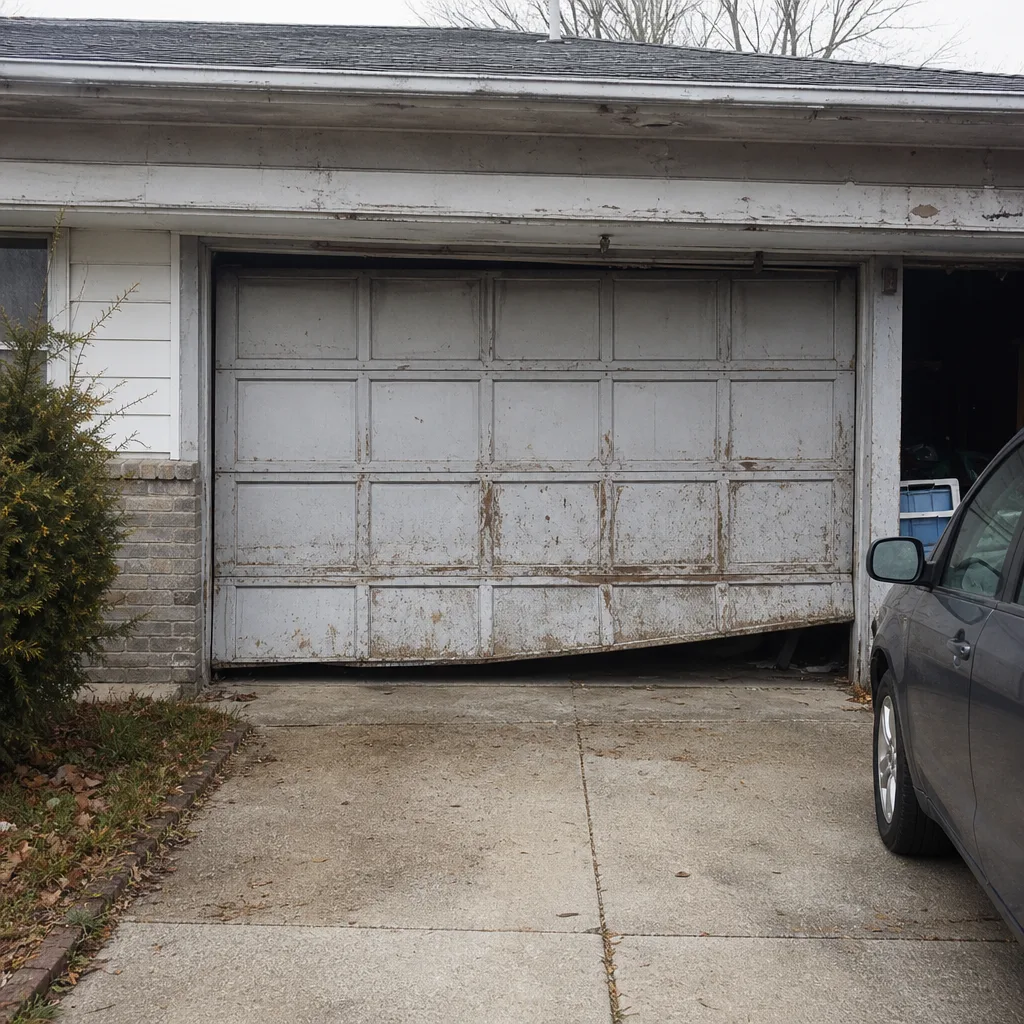 Before
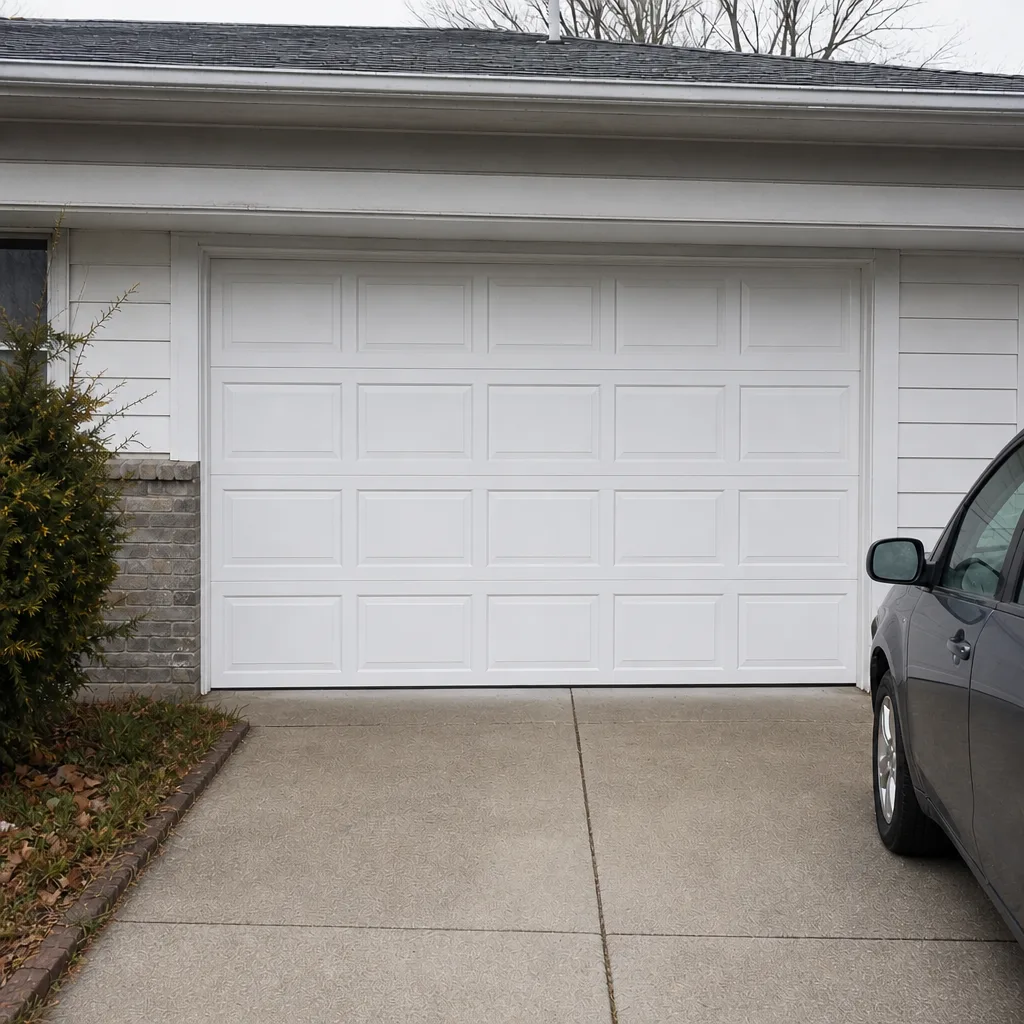 After
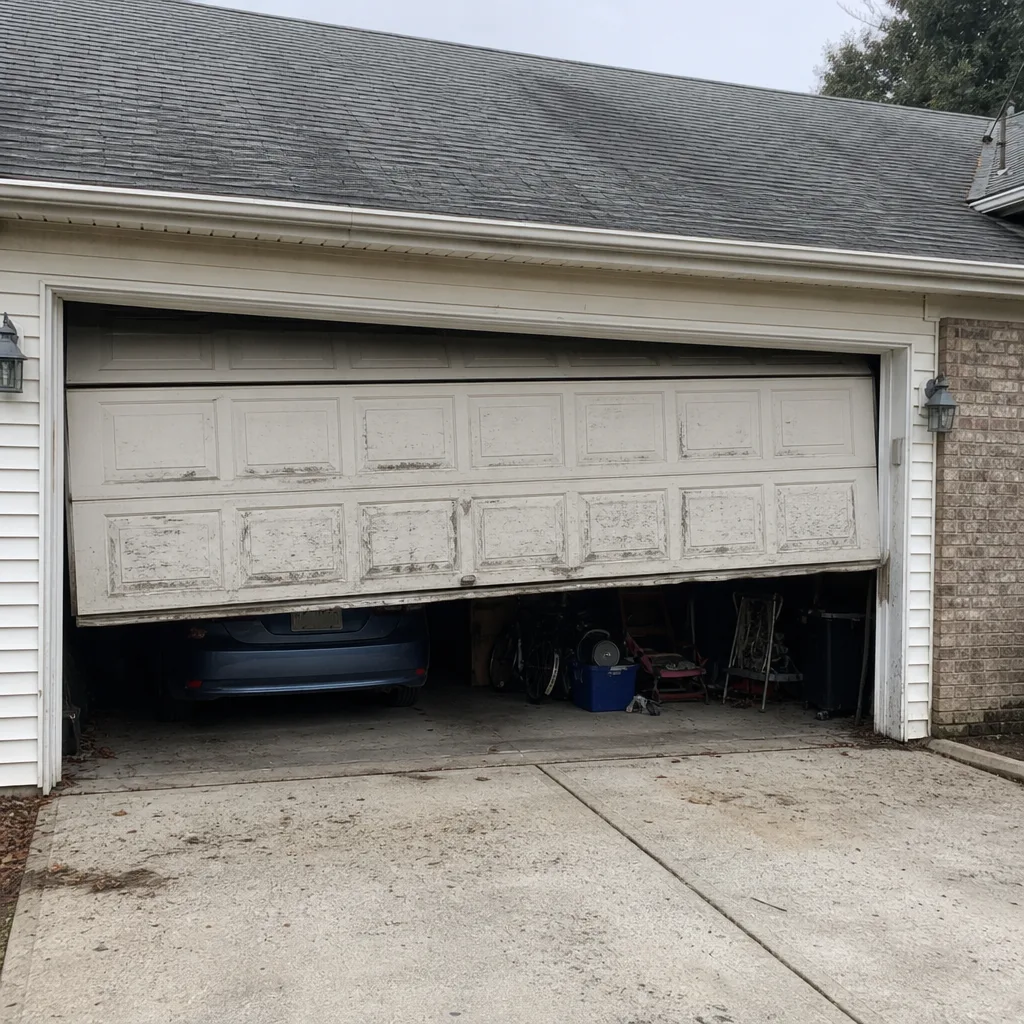 Before
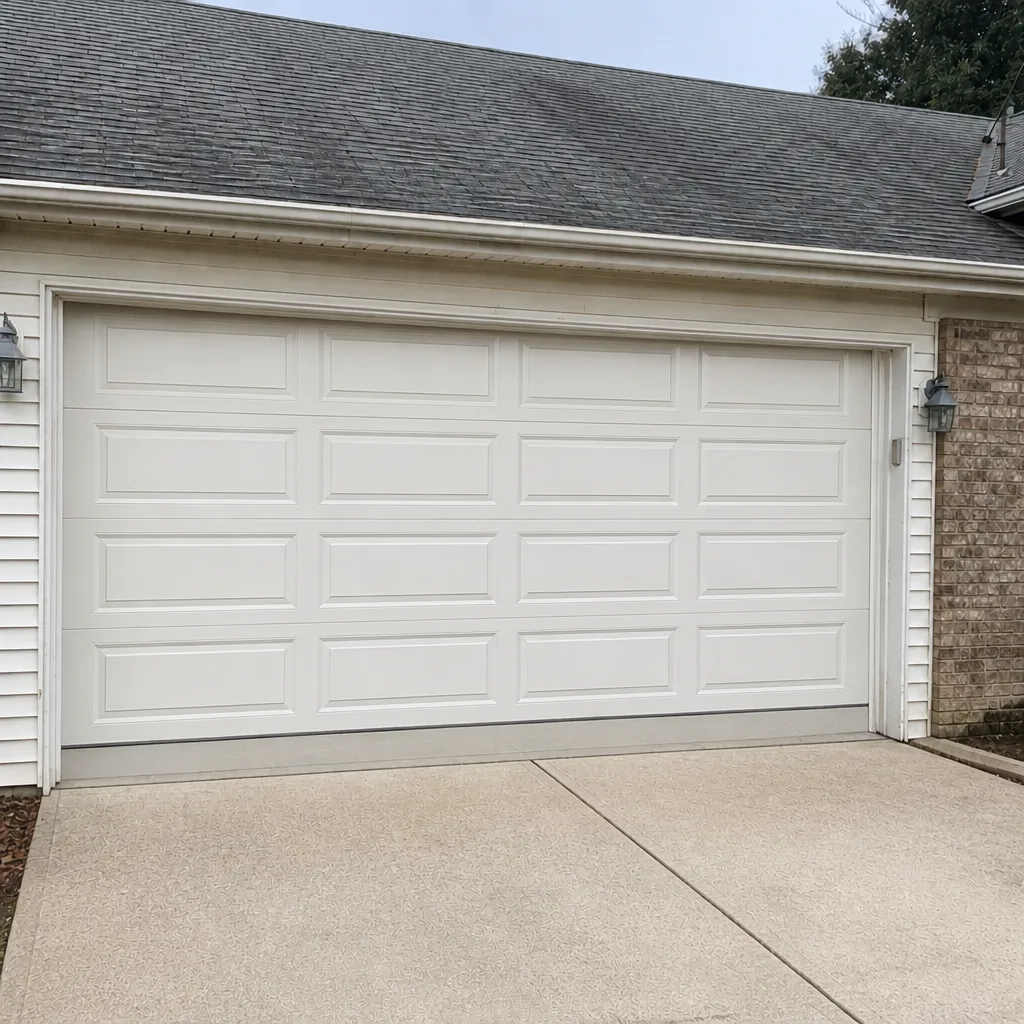 After
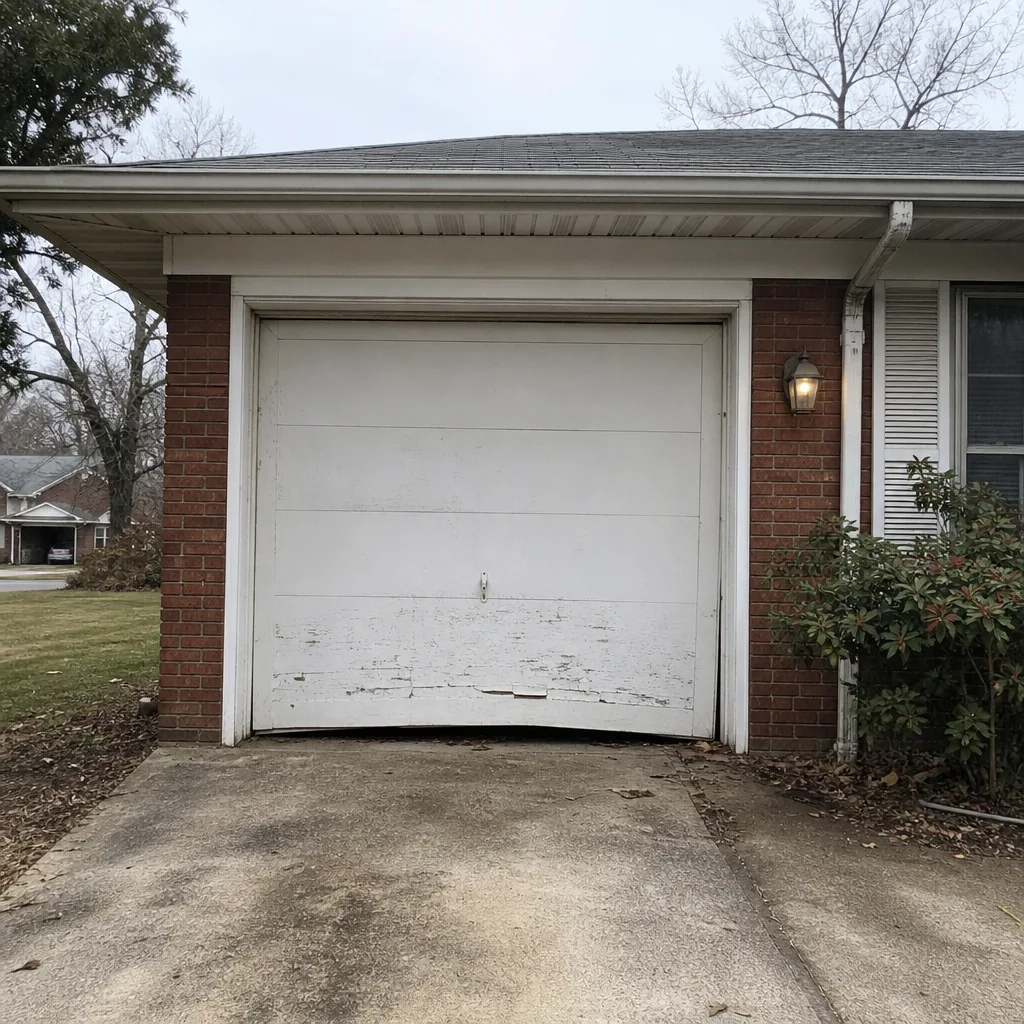 Before
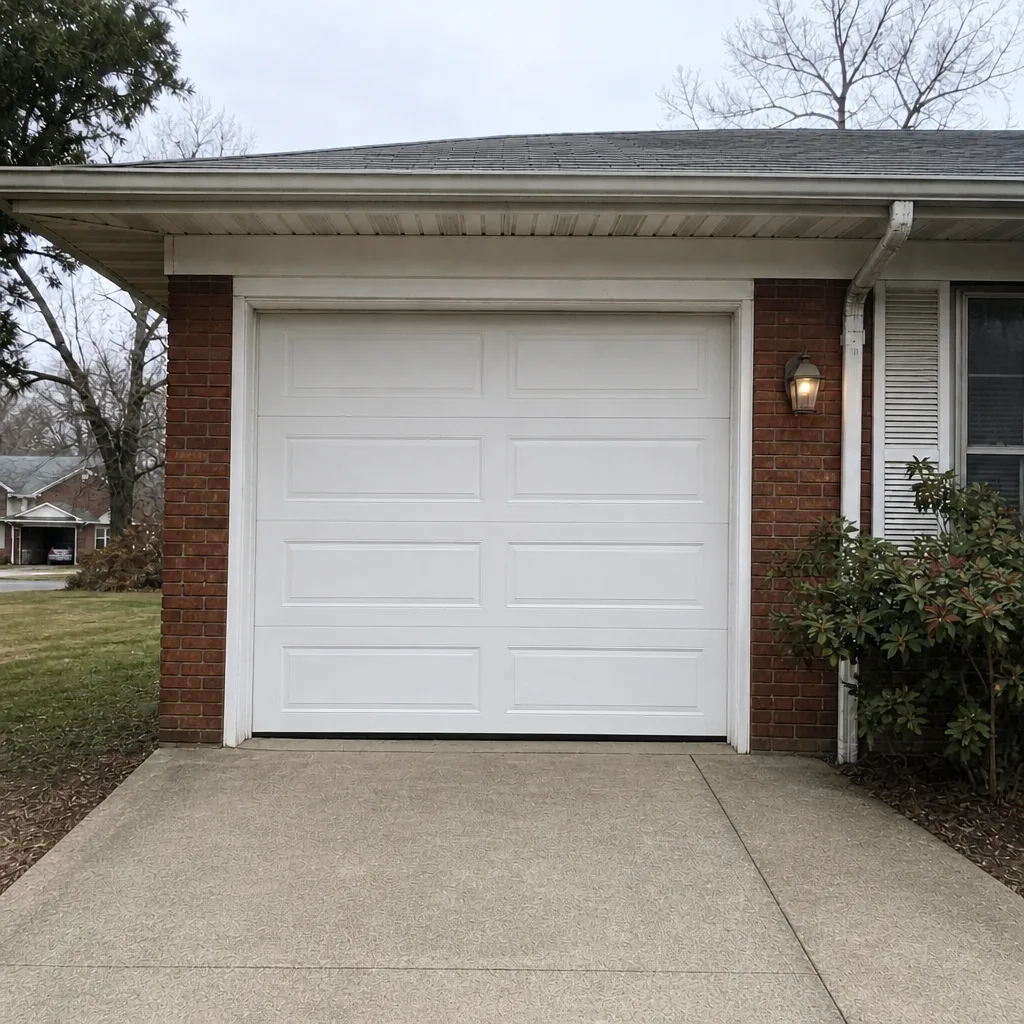 After
When to Call a Professional
Some seasonal tasks are homeowner work; some are not, and knowing the difference protects you. Call a professional when the door won’t balance or feels heavy, when you hear a loud snap or the door won’t lift, when a cable is frayed or kinked, or when springs look broken or worn. Call when the opener struggles, reverses on its own, or won’t respond to controls, and when storm damage or a wind-load problem needs assessment. Any job involving springs or cables should always go to a specialist. Eldridge Garage Door Repair offers free estimates in Lakewood – call (888) 287-5235. We answer 24/7. Fast dispatch from 7am to 7pm, Sunday through Friday.
Frequently Asked Questions
Switching to a cold-rated lubricant in October before the first freeze is the single most important task. Lakewood’s damp cold thickens standard white lithium grease, and that’s what causes most winter noise. Clean off the old product and relubricate with a cold-weather formulation each fall.
Twice a year is a reasonable baseline: once in October before winter and once in spring. Lakewood’s humidity and freeze-thaw cycles make the fall switch to a cold-rated product especially important. If the door gets noisy sooner, relubricate earlier.
You can look at springs from a distance and note obvious breaks, but don’t touch them. Springs are under extreme tension and can cause serious injury. If the door feels heavy, won’t stay up, or you see a broken coil, call a professional for garage door spring repair.
Wood absorbs moisture from Lakewood’s humid summer air and expands, which changes its shape and causes sections to bind. Keep the finish intact and check section joints through summer. Persistent sticking may need a professional look at the door’s balance and hardware.
Yes. Garage doors are the largest opening on most homes, and a door without proper bracing can fail in high wind. Verify the rating, inspect the braces and track anchors, and confirm the door locks fully. A professional can assess anything you’re unsure about.
We work on virtually every major opener brand, including LiftMaster, Chamberlain, Genie, Craftsman, and Raynor, along with all the major door brands. Whether your opener is an older legacy system or a modern Wi-Fi-enabled one, one call covers diagnosis and garage door opener repair. We answer 24/7. Fast dispatch from 7am to 7pm, Sunday through Friday.
The Bottom Line
Lakewood’s climate writes its own maintenance calendar, and following a generic four-season template is why so many homeowners end up with a loud door in February and a binding one in July. The sequence that works here is October for the cold-rated lubricant and seal checks, winter for noise monitoring, March for a spring and cable inspection, pre-season for wind-load verification, and summer for humidity checks on wood sections and bottom seals. Springs and cables always go to a professional. Everything else you can do yourself with a short afternoon and a reminder on your calendar. For the jobs that need a specialist, call (888) 287-5235 for a free estimate.
Written by the team at Eldridge Garage Door Repair.