
Last updated November 21, 2026
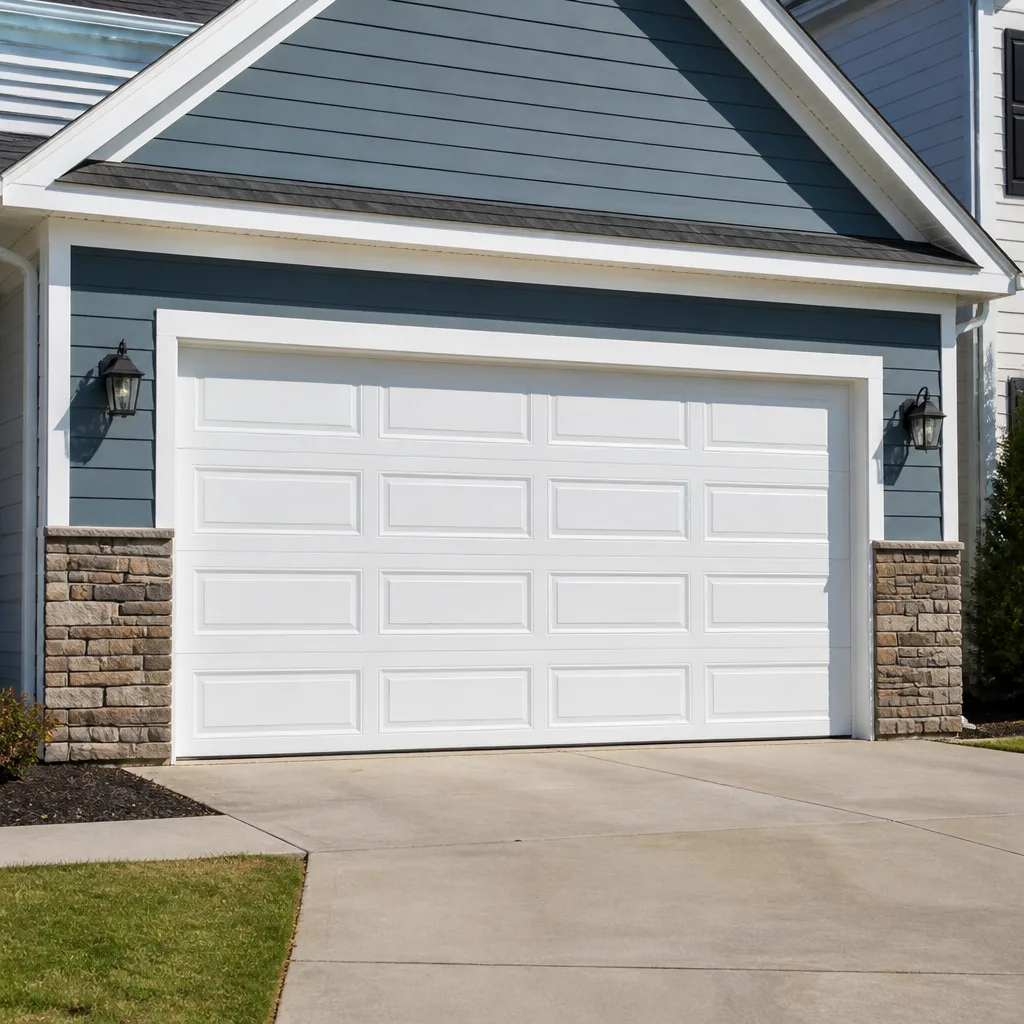 Raised-panel steel
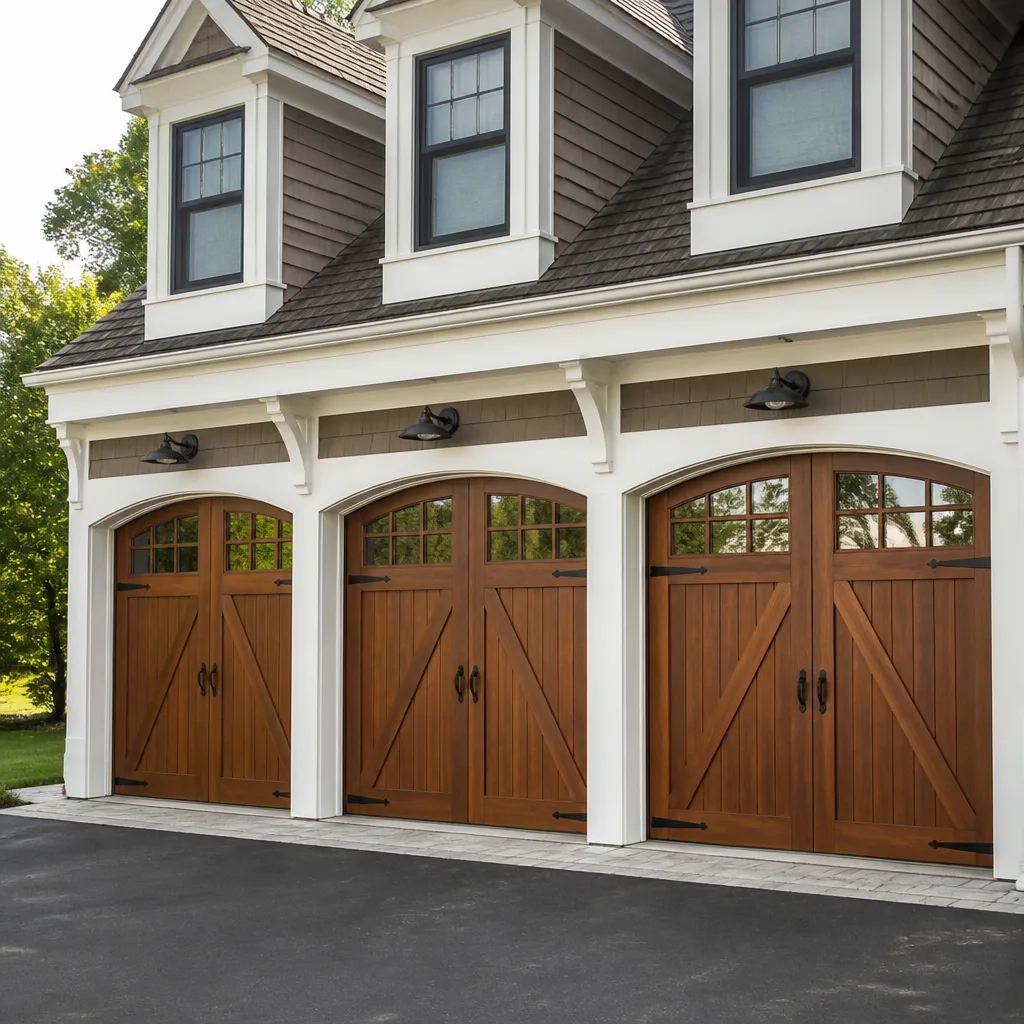 Carriage house
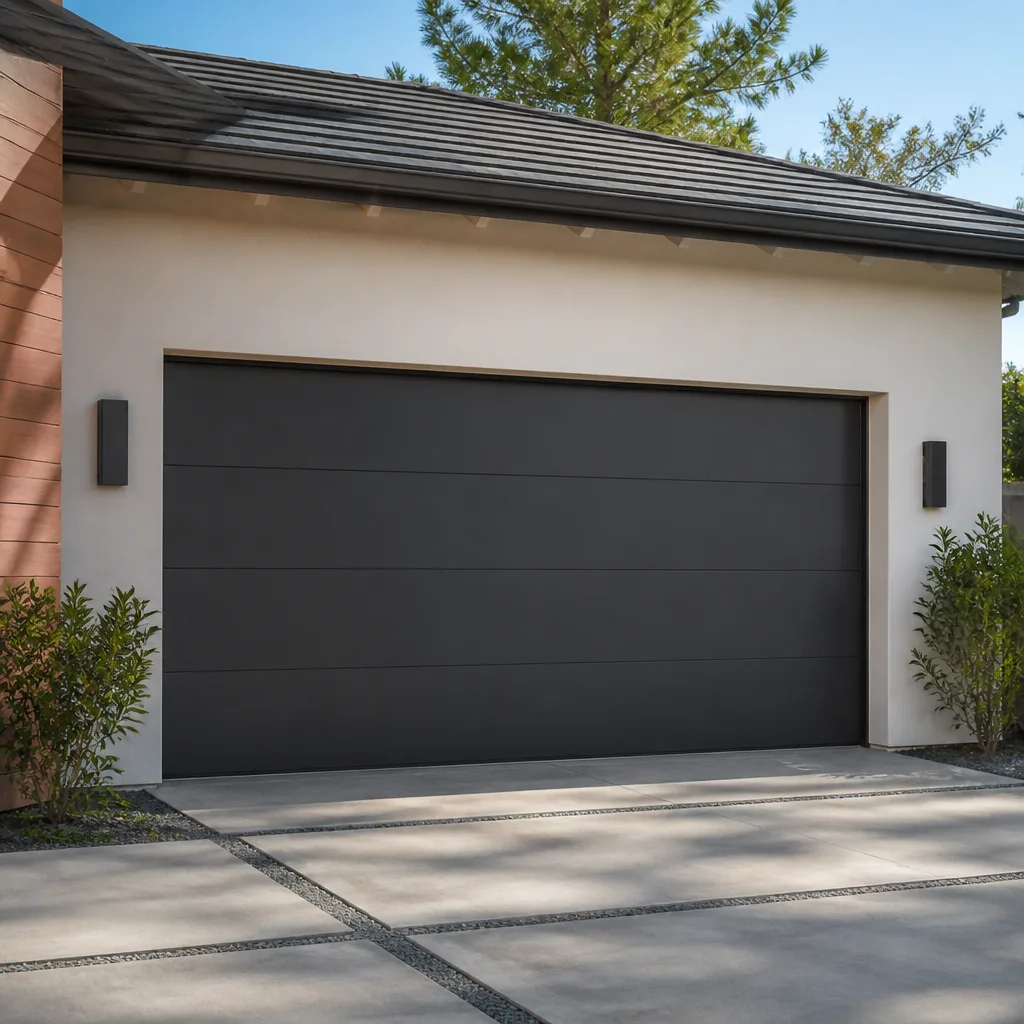 Modern flush
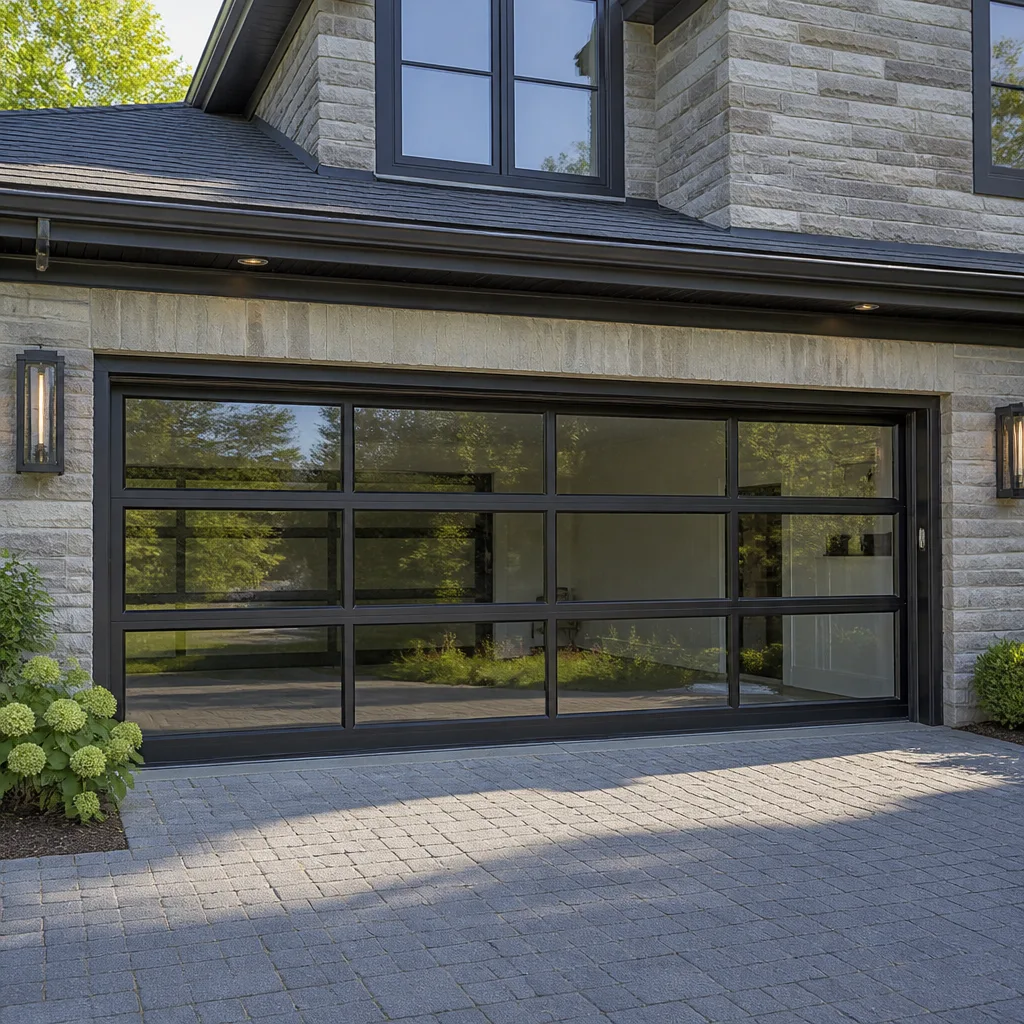 Full-view glass
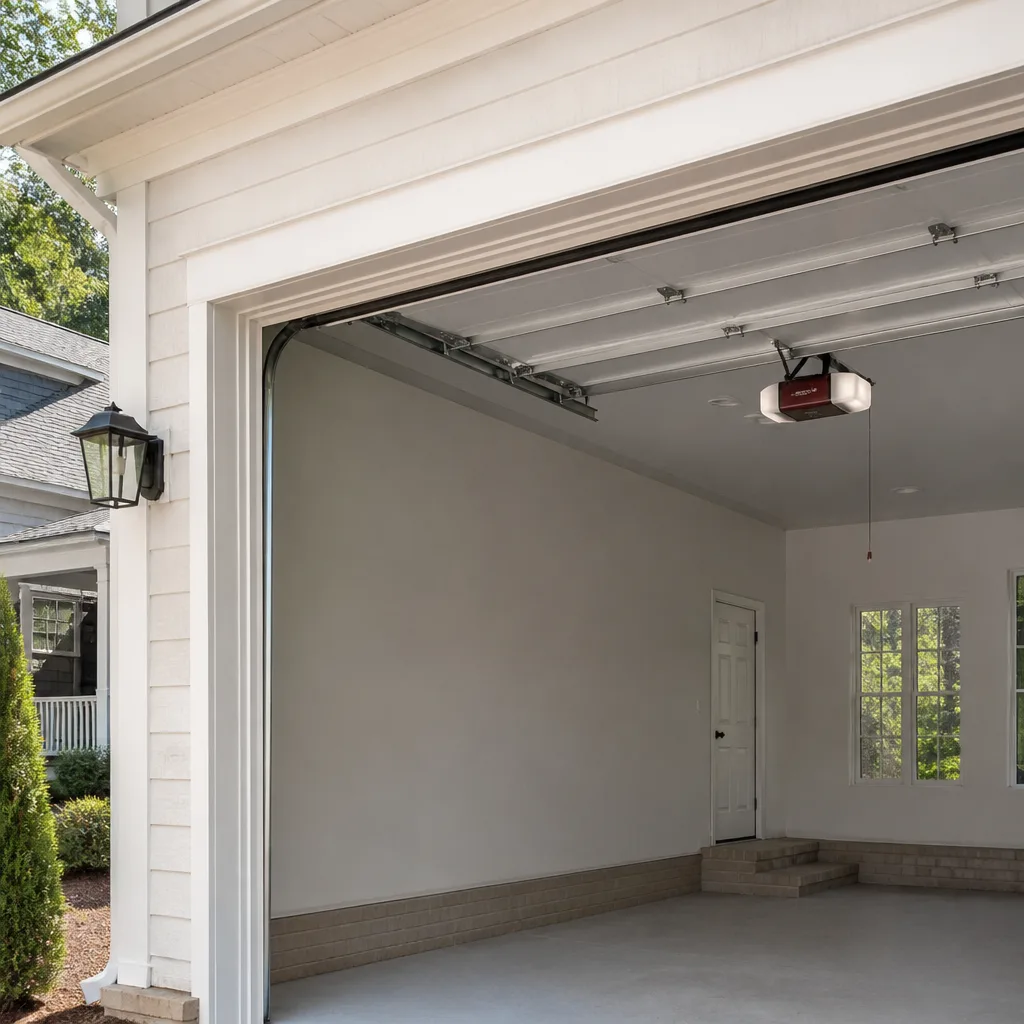 LiftMaster openers
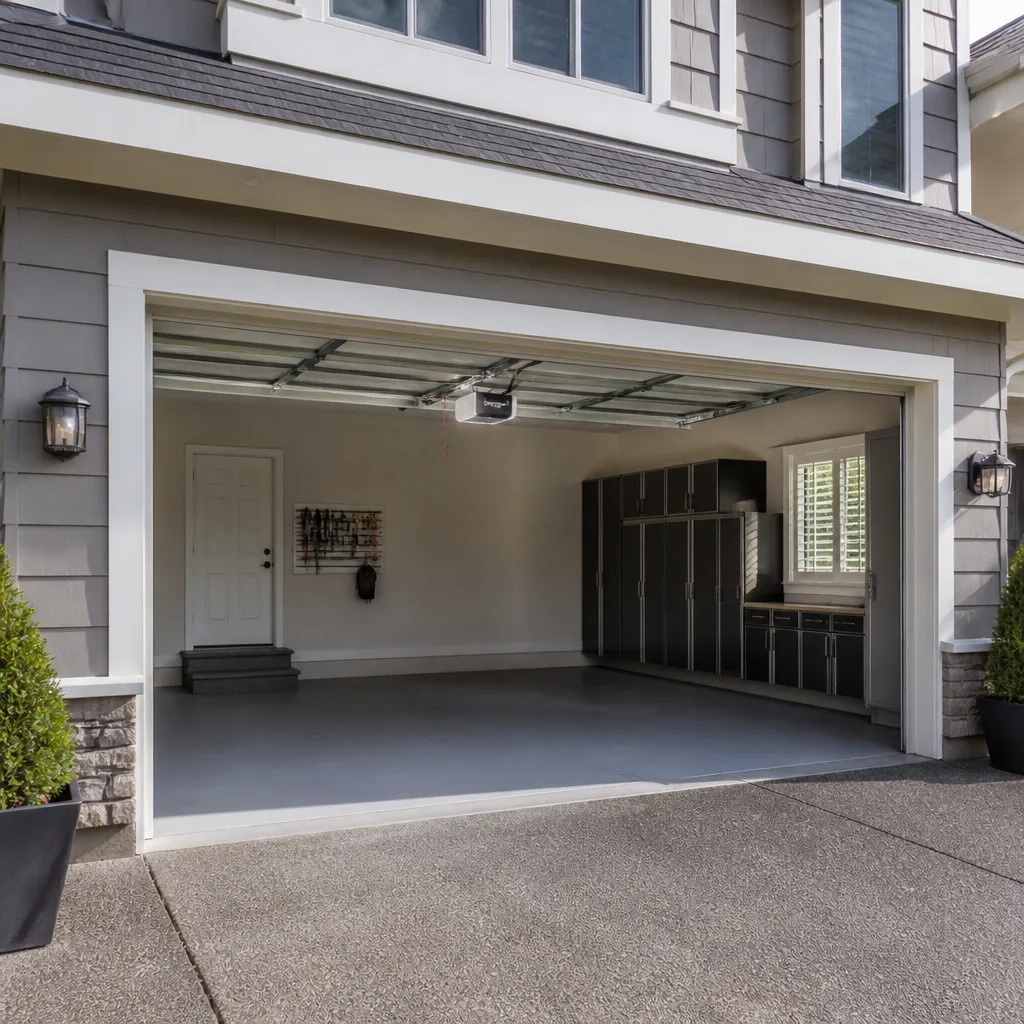 Chamberlain openers
Full 25-point door and opener safety check with every visit - springs, cables, rollers, tracks, and your LiftMaster or Chamberlain opener included
You get a price before we start. It does not change when the pro arrives.
Get your free estimateThe Complete Guide to Garage Doors in Lakewood
Most “complete guides” are written for a fictional average homeowner in a fictional average city. That’s not much use when your house is in Lakewood. A garage door here deals with a very different set of pressures than one in a landlocked inland town: heavy summer humidity rolling off the Ocean County coast, a housing stock that swings from 1950s ranch homes to new townhome developments, and HOAs that have a real say in what your door looks like. This guide starts with those local realities rather than treating them as an afterthought. You’ll learn which materials hold up here, which opener brands you’re likely to find in the homes of each era, why attached garages in townhomes create different constraints than detached ones, and when a repair makes more sense than a replacement.
Quick Answer
A garage door in Lakewood needs a door and opener sized for the home’s actual headroom and climate exposure, not a generic off-the-shelf fit. Humidity common to Ocean County accelerates corrosion on springs and paint failure on steel doors, so material choice and ventilation matter more here than in drier inland towns. Most day-to-day problems are repair issues – springs, openers, cables, rollers – and a trained garage door specialist can diagnose them before recommending a full replacement.
Styles & brands we work with
- Raised-panel steel
- Carriage house
- Modern flush
- Full-view glass
- LiftMaster openers
- Chamberlain openers
Table of Contents
- How Lakewood’s Climate Affects Your Door
- Choosing Door Materials and Insulation for Lakewood
- Which Opener Brands Are Already in Lakewood Homes
- Attached vs. Detached Garages: Clearance and Headroom
- HOA Rules and What They Mean for Your Door
- Repair or Replace? How to Decide
- Springs, Cables and the Safety Rules That Matter
- A Simple Maintenance Routine for Lakewood Homeowners
How Lakewood’s Climate Affects Your Door
Lakewood sits in Ocean County, close enough to the coast that summer humidity and damp winter air are a routine part of life. That has real consequences for a garage door system. Steel doors, the most common choice in residential homes, are typically galvanized and factory-painted to resist rust, but the combination of high humidity and repeated condensation cycles puts more stress on that protective layer than a drier inland climate would. Left unaddressed, small paint nicks and edge seams (the exposed bottom edge and the corners of each panel) are where corrosion usually begins first.
Springs feel the humidity too. Torsion and extension springs are steel under constant tension, and moisture in an unconditioned garage can accelerate the surface oxidation that eventually weakens a spring. That doesn’t mean every spring in Lakewood fails early, but it does mean spring upkeep and rust inspection are worth taking seriously around here. If you notice rust spotting on a spring or a door that’s getting noisier or harder to lift, that’s a signal to have it checked rather than ignored. Our garage door spring repair service is built around exactly this kind of seasonal wear.
What to watch for seasonally:
- Summer: condensation on the inside of steel panels and on spring hardware; check for moisture accumulating near the bottom seal.
- Winter: freeze-thaw cycles around the door’s bottom seal can let damp air creep in; a worn seal makes this worse.
- Year-round: any paint chip on a steel panel is worth touching up to slow corrosion, especially on doors facing the weather.
Wood doors need different attention here. Moisture swings cause wood to expand and contract, which can open seams and lift paint. In Lakewood’s humid summers, a wood door that isn’t sealed regularly will show it faster than in a drier climate. None of this is a reason to avoid a particular material – it’s a reason to match the material to the maintenance you’re willing to do.
Choosing Door Materials and Insulation for Lakewood
Because garages in Lakewood often sit under or alongside living space in attached setups, insulation is more than a comfort question. A well-insulated door helps keep the garage from becoming a heat or cold sink that affects the rooms next to it. It also reduces condensation on the door’s interior surface, which is the humidity problem we described above. The material and the R-value work together, so it’s worth thinking about both.
Here’s how the main options tend to sort out for homes in this area:
- Steel: The default for most Lakewood homes. Durable, low-maintenance if the paint is kept intact, and available with insulation. It’s the most economical path to a solid door, but the paint finish is what protects it in humid air, so care for it.
- Aluminum: Lighter and rust-resistant, good for larger openings and modern styles. It dents more easily than steel, so it suits homes where the door won’t take knocks.
- Wood and wood-composite: Attractive and customizable, but they demand the most upkeep in Ocean County’s humidity. If you choose wood, plan on regular sealing and repainting.
- Fiberglass and composite: Good moisture resistance and won’t rust, but they can be costlier and are less common on standard residential installs.
On insulation, the point of an R-value is simple: higher means the door resists heat transfer better. For an attached garage under living space, a higher insulation value is a genuine benefit. For a detached, unconditioned garage, it matters far less – you’d be paying for something the space can’t use. We’re happy to talk through which value fits your specific setup rather than pushing the highest number on the shelf.
Door thickness usually tracks insulation: single-layer doors offer little thermal benefit, while insulated multi-layer doors carry a higher R-value. The trade-off is weight, which is why the opener and springs have to be matched to the door you pick. Sizing an opener for a door that’s heavier than expected is a common cause of premature opener wear.
Which Opener Brands Are Already in Lakewood Homes
One of the more useful things to know before you shop or call for a repair is what’s likely already bolted to your ceiling. Opener brands correlate fairly reliably with the era the home or the door was built. In Lakewood’s older ranch homes, you’ll often find belt or chain openers from Craftsman or a workhorse LiftMaster unit. The newer townhome developments and recent builds more commonly arrive with modern LiftMaster or Chamberlain openers, many of them Wi-Fi-connected and app-controlled.
Here’s a rough era guide, bearing in mind individual homes vary:
- Older ranch and post-war homes: Craftsman or legacy LiftMaster chain-drive openers, sometimes original to a much later door replacement.
- Mid-era homes and remodels: LiftMaster belt-drive and screw-drive units, common where noise reduction was a selling point.
- Newer townhomes and recent builds: Chamberlain and LiftMaster smart openers with app and Wi-Fi features, often paired with a newer insulated door.
This matters because opener repair is brand-specific. A technician who doesn’t know the difference between a LiftMaster logic board and a Chamberlain one is guessing. Our garage door opener repair covers Craftsman, Chamberlain, LiftMaster, Genie and other major makes, so you won’t be told your opener is “too old” or “not one we work on.” We work on your brand. If your opener is on its way out and you’re weighing options, it helps to understand how smart openers differ from legacy units on connectivity, remotes and battery backup, and where they’ll actually save you trouble.
When an opener fails, the symptoms are usually one of: the door stops partway, the motor runs but the door doesn’t move, the remotes stop responding, or the safety reversal trips constantly. Some of these are opener problems; a few are actually door-balance problems masquerading as opener problems. Good diagnostics separate the two before anyone sells you a new opener.
Attached vs. Detached Garages: Clearance and Headroom
Lakewood’s housing mix includes a lot of attached garages in townhome developments, and that creates constraints a detached garage often doesn’t have. In an attached setup, the garage shares walls and a ceiling with the house, so headroom, overhead clearance and the path of the door’s travel are decided by the building’s framing, not chosen by the homeowner. Before any door or opener is installed, the measurements that matter are headroom, side clearance and backroom – the space above the opening, beside the tracks, and behind the tracks for the door to sit when open.
The most common surprise in a townhome is headroom. Low headroom above the opening can rule out some openers and demand specific low-headroom configurations. A detached garage usually has more flexibility to adjust framing or mounting during installation. If you’re in an attached Lakewood townhome and an installer quotes a door without measuring headroom first, that’s a warning sign. The right approach is a measure first, then a door and opener sized to the actual space.
Think about your garage in these three categories before you call:
- Headroom: the space above the door opening. Tight headroom limits which openers fit.
- Side clearance: the room beside the tracks – some door designs need more than others.
- Backroom: how far the door travels back into the garage when open. Small backroom can call for a low-headroom or high-lift setup.
A full installation quote that’s worth anything starts with those three numbers. That’s why new-door work is measured and scheduled, not rushed – the door has to be ordered to fit, and there’s no shortcut around that.
HOA Rules and What They Mean for Your Door
Lakewood has a significant number of HOA-governed neighborhoods, and association rules often shape what a replacement door can look like. The most common HOA gripes in this area are about color, material and style consistency: a homeowner picks a bold color or a full-view glass door, and the association says no. It’s better to know the rules before you buy than to find out after delivery.
Before ordering a replacement door, it’s worth confirming a few things with your association:
- Approved colors: many HOAs specify a palette. Choose from it rather than assuming “neutral” is fine.
- Window and style rules: the number and placement of windows, and whether full-view glass is allowed.
- Material requirements: some associations restrict or specify material types for consistency.
- Insulation expectations: less common, but some newer communities specify it for the shared look of the development.
HOA rules don’t just affect appearance – they can affect timing. If your current door is failing and you’re waiting on approval, a repair may bridge the gap, and that’s a good conversation to have before a failing door becomes an urgent one. We’ve helped plenty of Lakewood homeowners plan a replacement around an HOAs approval timeline so the new door goes in right the first time.
Repair or Replace? How to Decide
The honest answer for most doors is: repair first, replace when the cost of repeated repairs and the door’s condition make replacement the better long-term value. We lead with repair because a good repair on a well-built door beats a replacement you didn’t need. But some doors reach a point where repair is money down a hole. Here’s how to tell them apart.
Lean toward repair when:
- The door is structurally sound and the paint finish is intact.
- A single component has failed – a spring, a roller, a cable, an opener part.
- The door is balanced and runs smoothly apart from the specific fault.
Lean toward replacement when:
- Multiple panels are dented, bent or showing widespread corrosion.
- The door is visibly bowed or the tracks are bent beyond a clean adjustment.
- You’ve had repeated repairs on the same door in a short period.
- You want insulation the current door can’t provide, or the style is dated and you’re updating the house.
If it’s a full new door or opener you need, that work is a free measure and a written price, then a scheduled installation – the door has to be ordered to fit and the opener matched to the new door’s weight. You won’t get a same-day new door, and anyone promising that isn’t measuring first. When you’re ready to explore options, our garage door repair service starts with a proper diagnosis so the recommendation fits the door you actually have.
Springs, Cables and the Safety Rules That Matter
Springs and cables are the parts of a garage door that cause serious injury when handled wrong, and that’s why they’re the one area where we consistently tell homeowners to leave it to a trained professional. A torsion spring stores enormous energy when wound, and a failed spring can release that energy suddenly. Cables under tension can snap and whip. There’s no safe way to learn this on your own door, and the cost of a mistake isn’t measured in dollars.
What you can safely do is recognize the warning signs and know when to call:
- Know the difference: torsion springs sit on a bar above the door; extension springs run along the sides. Either can fail.
- Watch for the signs: a loud bang from the garage, a noticeable gap in a coiled spring, a door that won’t lift, or a door that drops too fast.
- Stop using the door: if a spring is visibly broken or the door won’t stay up, keep it closed and don’t force it with the opener.
- Call for repair: a specialist replaces and balances springs safely, then checks the door’s balance and the opener’s safety reversal.
Spring replacement is also where a lot of doors get “fixed” badly. A spring of the wrong size or tension leaves the door unbalanced, which wears out the opener faster and makes the door harder to lift. Our spring repair is a dedicated service, not a side job, and it’s one of the most technically demanding parts of the trade. If you want the full picture on how springs work and why sizing matters, that’s covered in depth on our spring repair page.
Electrical work on an opener is the other area worth leaving alone. Opener wiring and outlet connections should be done by a qualified professional, and a worn power cord or a tripping breaker is a signal to call rather than tinker.
A Simple Maintenance Routine for Lakewood Homeowners
A little routine maintenance stretches the life of any door and, in Lakewood’s humid climate, is worth more than in a drier town. You don’t need to disassemble anything – most of this is inspection and light care. Here’s a routine we suggest to homeowners in the area.
- Monthly: listen to the door. New squeaks, grinding or a change in speed are early warnings. Check that the safety reversal works by placing an object in the door’s path (with the door closed and the opener set up per its manual) and confirming the door reverses.
- Seasonally: look at the springs and cables for rust, fraying or gaps. Wipe condensation from the interior of steel panels where it pools.
- Every few months: touch up paint chips on steel panels to slow the corrosion that humid air encourages. Check the bottom seal for wear and replace a torn seal.
- Twice a year: inspect and tighten the door’s hardware, including the hinges, brackets and track bolts (without loosening the springs or cables).
- Annually: have the door and opener professionally inspected and balanced, and have a wood door checked for sealing and repainting needs.
For homes with insulated doors, keep an eye on the door’s interior surface in the most humid months. Persistent condensation there is a sign that humidity is getting into the garage and may point to a worn bottom seal. Replacing a seal is a quick, inexpensive fix compared to letting damp air work on the door season after season.
Common Mistakes to Avoid
- Ignoring paint chips on a steel door. In Lakewood’s humidity, a small chip becomes a rust point before you know it. Touch it up rather than waiting for a spring repaint.
- Buying a door without measuring headroom and clearance. This bites attached townhome owners hardest, where the framing is fixed. Measure first or have it measured.
- Ordering a replacement door before checking HOA rules. A door that doesn’t match the approved color or window style has to go back. Confirm the rules first.
- Trying to replace or adjust a spring yourself. Springs and cables store dangerous energy. Call a specialist; don’t treat them like a normal DIY project.
- Sizing an opener for the wrong door. A heavier insulated door needs an opener rated for it. Matching the opener to the door prevents early motor wear.
- Treating every problem as a reason to replace. Most failures are a single component. Diagnosis first saves the door.
- Skipping the bottom seal. A worn seal lets humidity into the garage and into the door itself. It’s one of the cheapest things to fix and one of the most consequential to ignore.
See the difference
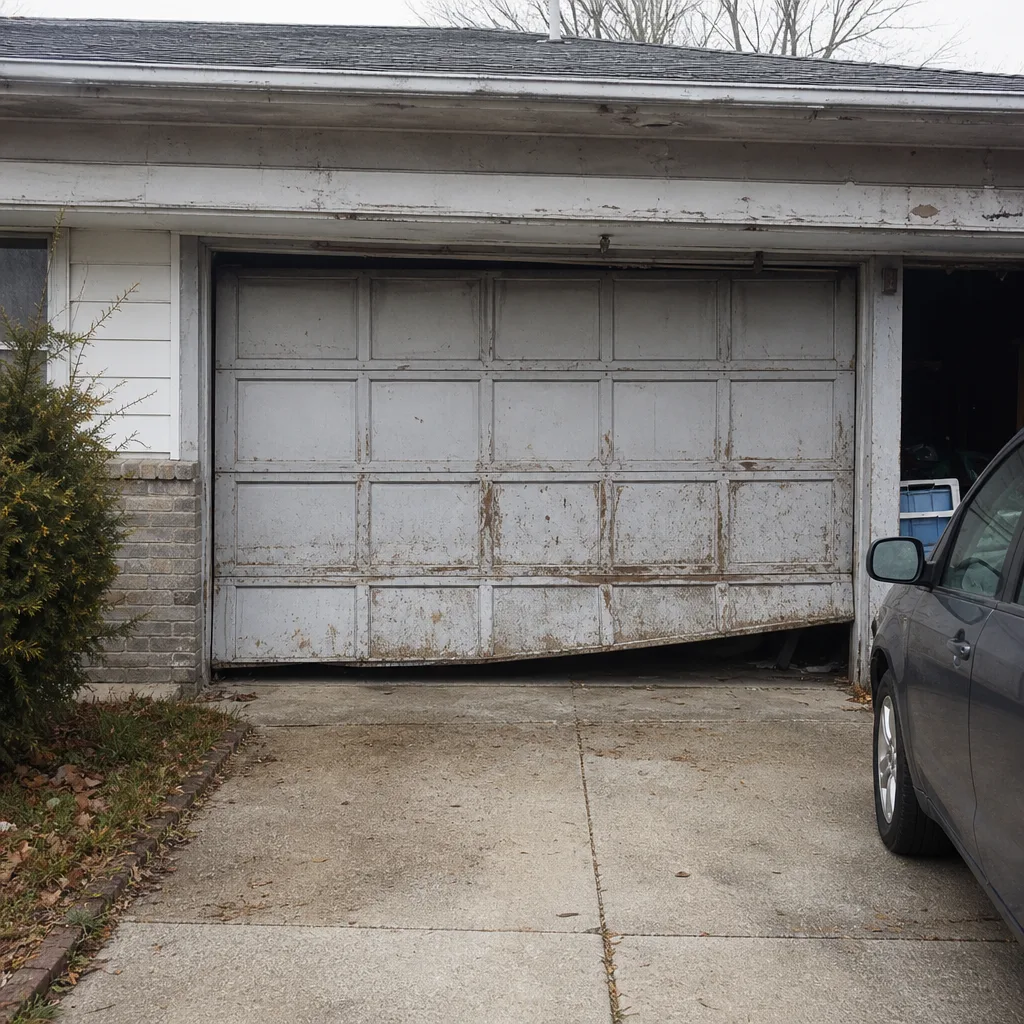 Before
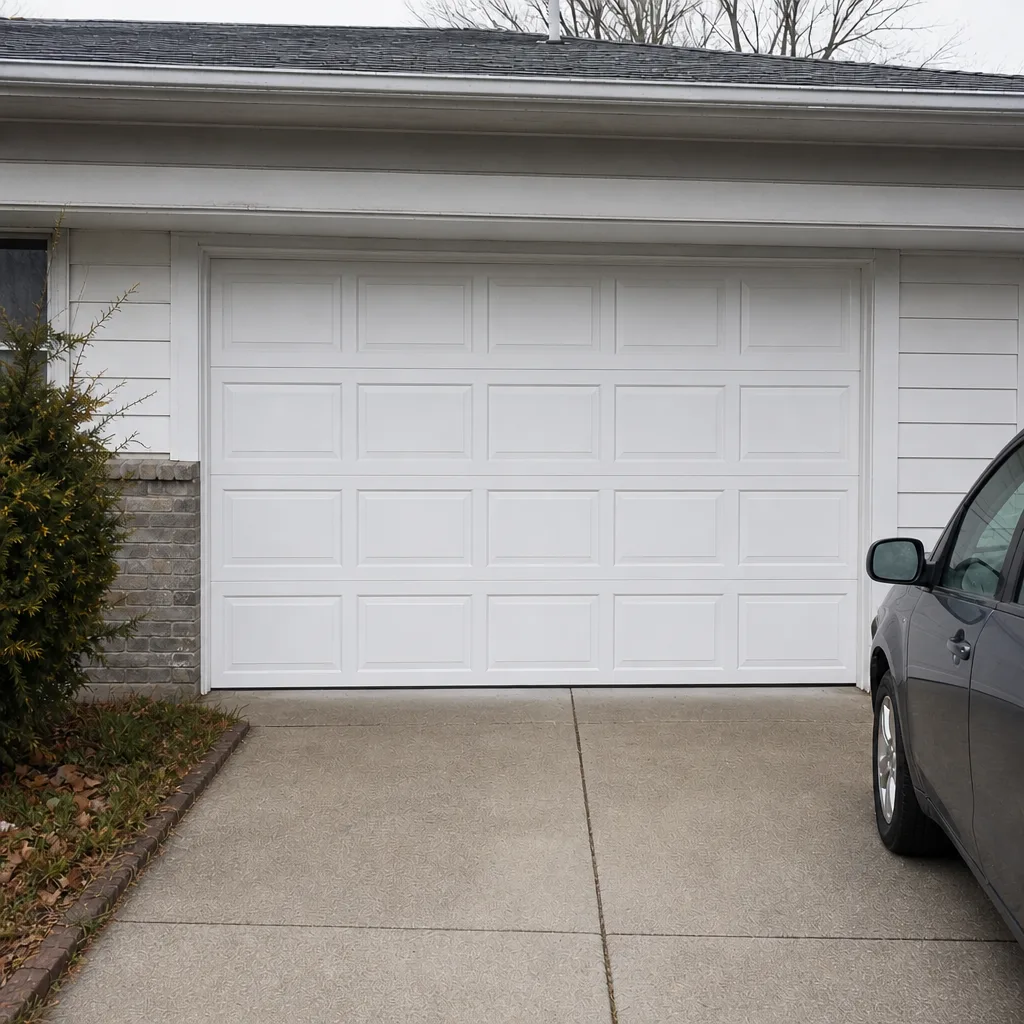 After
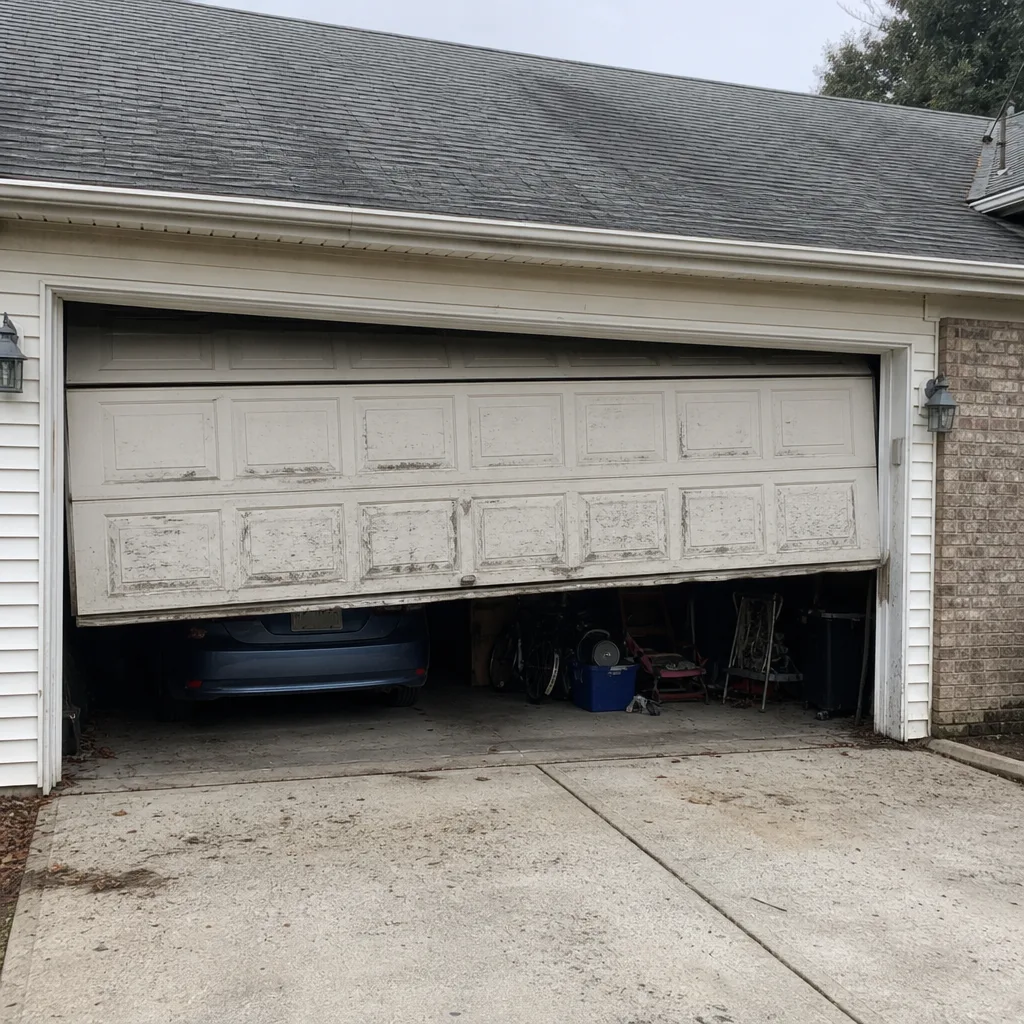 Before
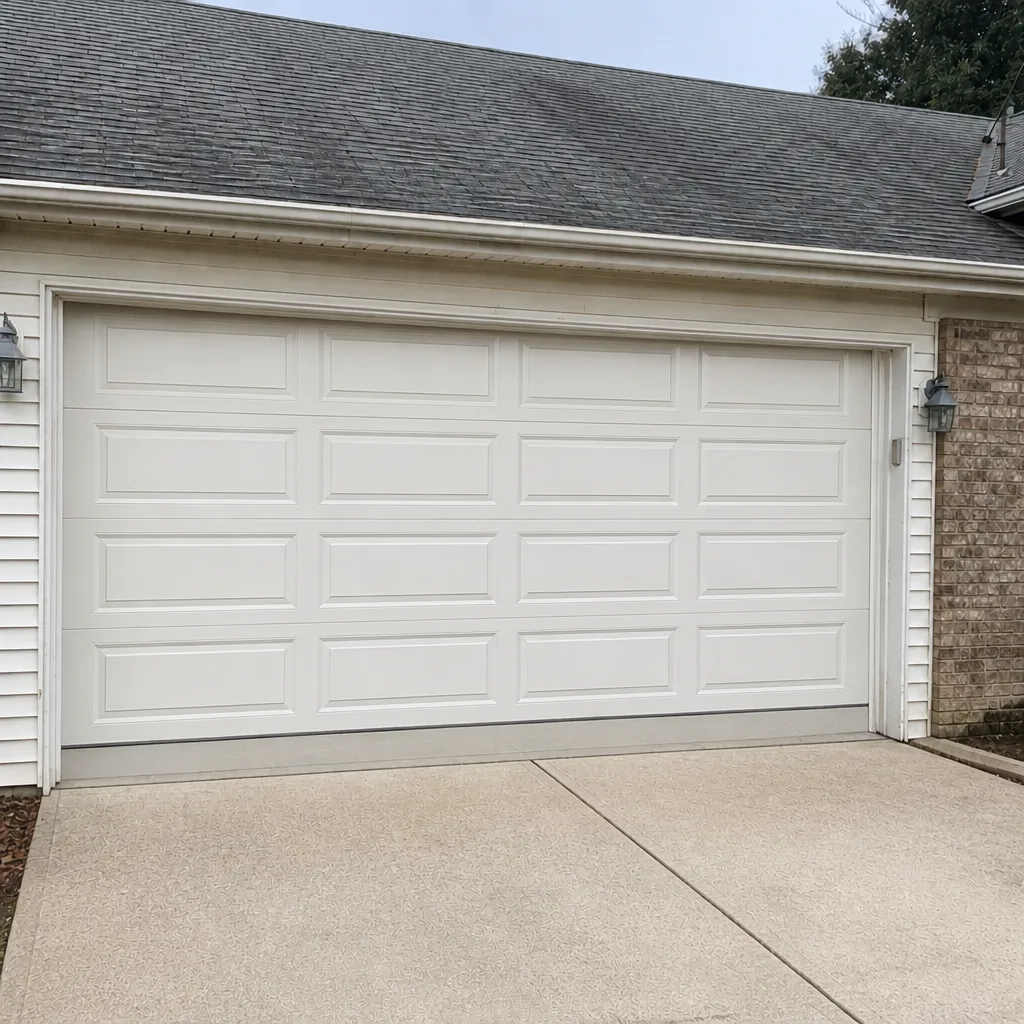 After
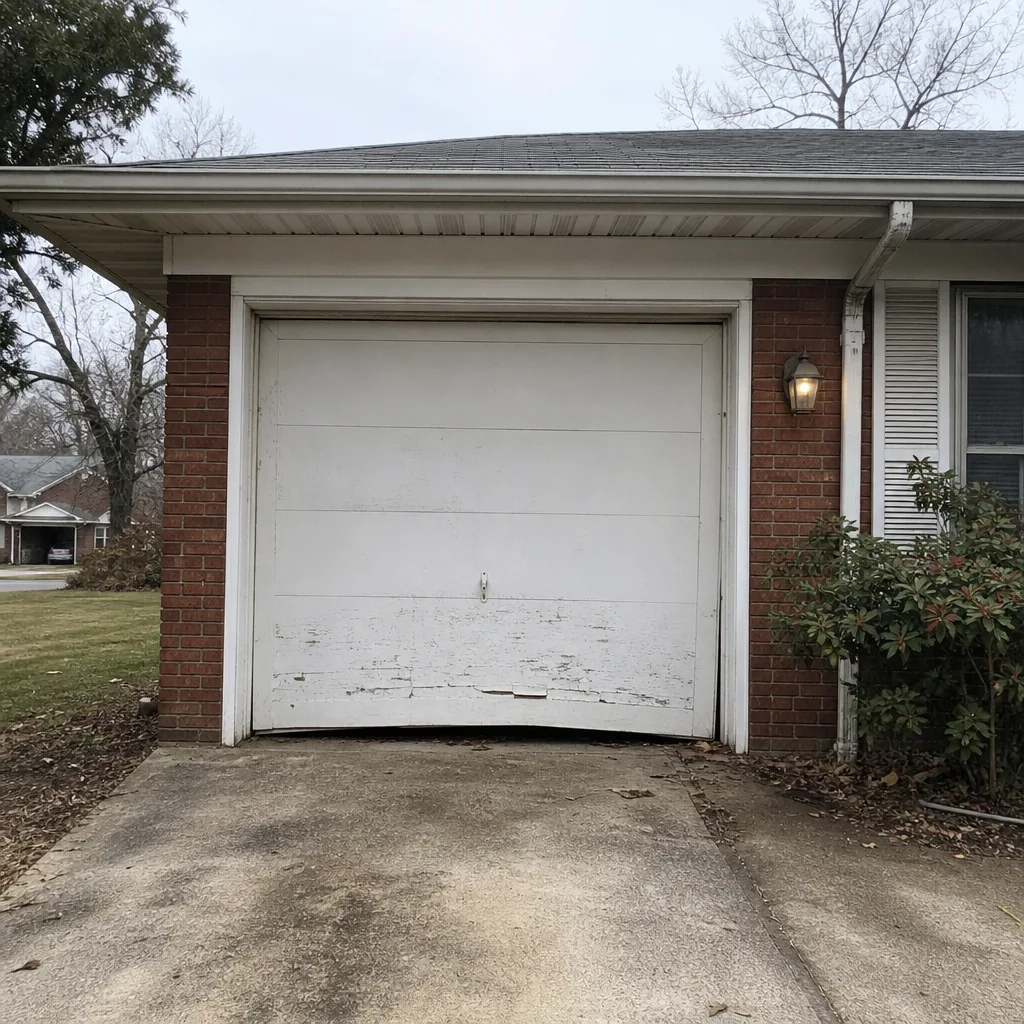 Before
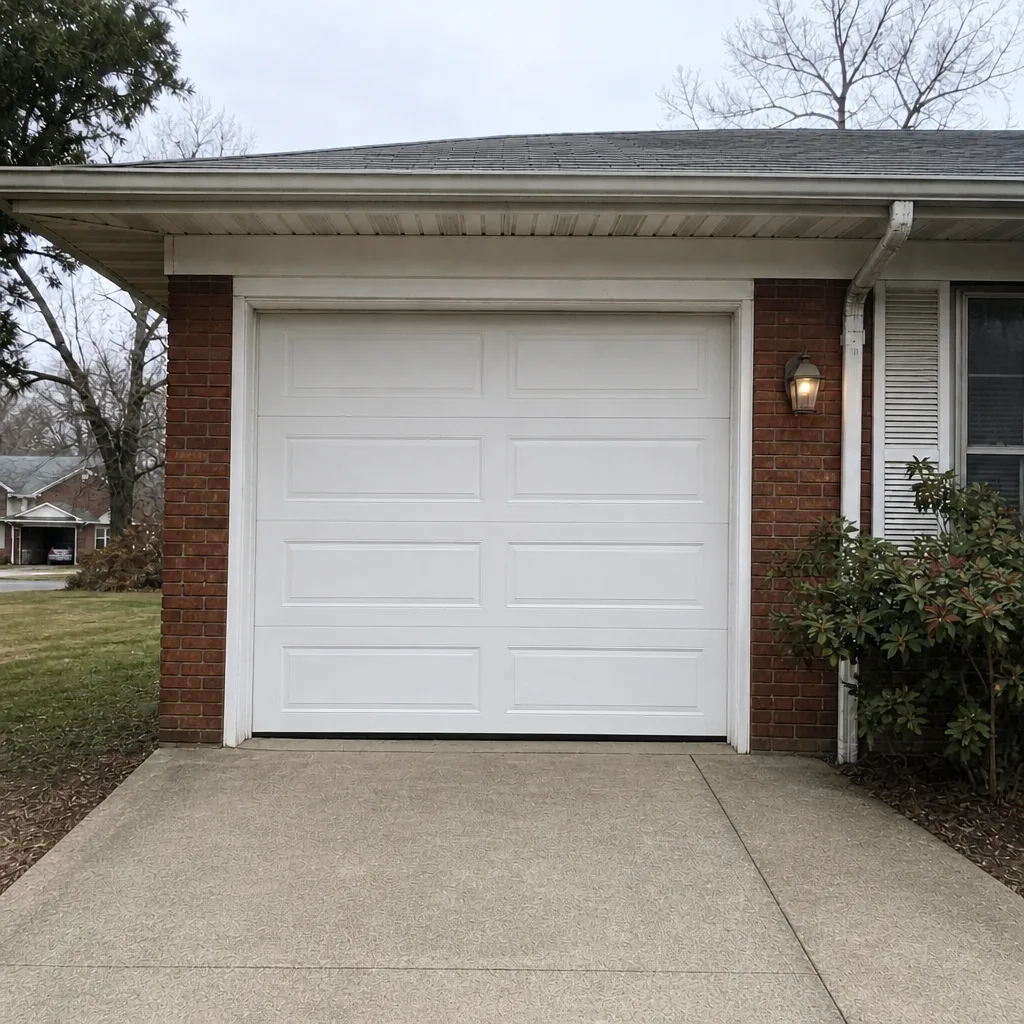 After
When to Call a Professional
Some jobs are clearly a call-in. A broken spring, a snapped cable, a door that won’t close properly, an opener that runs but won’t move the door, or anything that looks or sounds wrong at the tracks is a reason to pick up the phone rather than keep working the door. A door that’s off-balance or hangs partway is a safety issue before it’s a convenience issue, and using it in that state wears out the opener. When a door fails and you need someone experienced with your brand, that’s what we do. For Lakewood homeowners, Eldridge Garage Door Repair offers free estimates – call (888) 287-5235. We answer 24/7. Fast dispatch from 7am to 7pm. We work on your brand, from Craftsman and LiftMaster to Chamberlain, Genie, Clopay, Amarr, Wayne Dalton and Raynor, and our technicians have up to 8 years of experience.
Frequently Asked Questions
Start with your home’s climate and framing before you pick a door. Lakewood’s humid summers make corrosion resistance and insulation worth prioritizing, and attached townhome garages often have tighter headroom than a detached garage, so measuring headroom and clearance first is the key step. From there, material, insulation and HOA rules decide the options that actually fit your home.
Humidity accelerates corrosion on springs and causes paint to fail faster on steel doors than in drier towns. Condensation inside the garage works on the paint finish, and any chip in that finish becomes a rust point sooner here. Keeping paint touched up, watching for rust on springs, and replacing a worn bottom seal are the practical defenses for Lakewood homes.
Older ranch homes commonly have Craftsman or legacy LiftMaster chain-drive openers, mid-era homes often have belt-drive LiftMaster units, and newer townhomes and recent builds tend to have Chamberlain or LiftMaster smart openers. Individual homes vary, but knowing your home’s era points you at what’s likely overhead. We repair all the major opener brands, including Craftsman, Chamberlain, LiftMaster and Genie.
An insulated door makes the most difference where the garage is attached and sits near living space, because it resists heat transfer and reduces condensation. For an attached garage, a higher insulation value is a real benefit; for a detached, unconditioned garage, it matters far less. Pick the insulation to match your garage setup, not the highest number available.
Many do. Lakewood’s HOA communities frequently specify approved colors, window and style rules, and sometimes material requirements, so it’s worth confirming with your association before ordering a door. A repair can often bridge the gap while an approval works through, which is why it’s worth checking early rather than waiting until a failing door becomes urgent.
Often yes, because spring repair is a common same-day job for a trained specialist. Springs and cables store dangerous energy, so don’t attempt it yourself – call a specialist who can size and balance the replacement correctly. We answer 24/7, and call (888) 287-5235 for a free estimate, so you’re not left with a door that won’t open.
The Bottom Line
Garage doors in Lakewood face conditions that generic guides ignore: Ocean County’s humidity speeds up corrosion and paint wear, the town’s mix of ranch homes and newer townhomes creates very different clearance and headroom realities, and HOAs frequently shape what door you can actually install. Choose materials and insulation to match your climate and garage type, know the opener brand your home likely has, and check HOA rules before you buy. Most day-to-day failures are repairs, not replacements, and springs and cables belong in a professional’s hands. When you need a diagnosis, a repair, or a new door measured and priced, we’re here to help.
Call (888) 287-5235 for a free estimate. We’re Eldridge Garage Door Repair, and one call covers springs, openers, panels and full doors. We answer 24/7. Fast dispatch from 7am to 7pm.
Written by the team at Eldridge Garage Door Repair.